Controversy over GENIUS Act revisions… Crypto industry warns it could become a “U.S. national security trap”
Summary
- The crypto industry warned that further restrictions on stablecoin yields under the GENIUS Act could weaken the competitiveness of dollar-based stablecoins and negatively affect U.S. finance and national security.
- The Blockchain Association said there is no evidence that stablecoin adoption would collapse traditional financial institutions, and argued that stablecoin yields give ordinary users more choices, criticizing pressure from the banking sector.
- John Deaton warned that limiting yields on dollar-based stablecoins could become a “national security trap,” potentially encouraging China’s interest-bearing digital yuan (e-CNY) instead.
Forecast Trend Report by Period


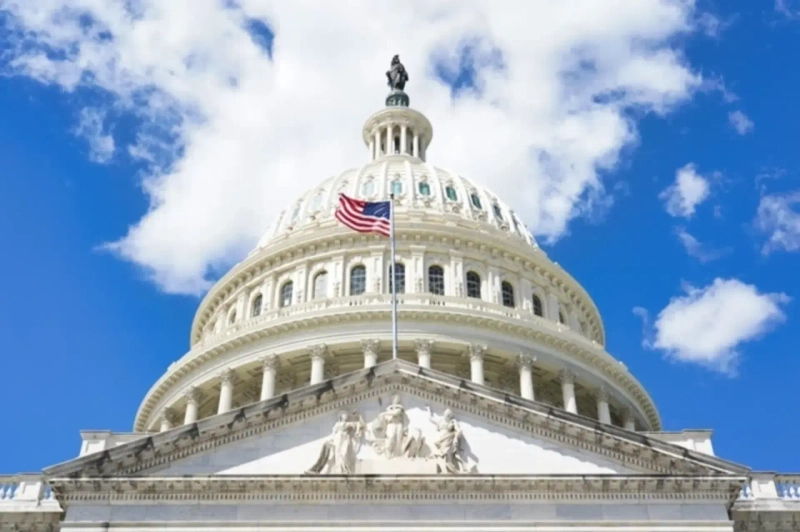
Debate over revisions to the GENIUS Act—key legislation at the heart of U.S. stablecoin regulation—is drawing a strong backlash from the crypto industry. The argument is that if, at the banking sector’s behest, the bill further tightens restrictions on yield structures, it would weaken the competitiveness of dollar-based stablecoins and could even have adverse consequences for U.S. finance and national security.
According to a July 7 (local time) report by Cointelegraph, crypto industry participants and related groups warned that banks’ push to further strengthen the GENIUS Act’s yield provisions could “stifle competition and weaken the dollar’s global standing.” Some regional banks argue that stablecoin yields undermine deposit and lending functions, and contend that yield offerings should be banned even when provided through third parties.
The Blockchain Association, a crypto lobbying group, criticized the move as “an attempt to overturn a balanced bill that Congress agreed to on a bipartisan basis.” The group said there is “no evidence that stablecoin adoption collapses traditional financial institutions,” adding that “low-interest bank deposits benefit large financial firms, but stablecoin yields provide ordinary users with more choices.” It added, “No new risks have been raised and no new evidence has emerged. This is simply pressure from the incumbent financial sector.”
John Deaton, a pro-crypto lawyer, said the revision effort could become a “national security trap.” “China has already begun paying interest on the digital yuan (e-CNY),” he said, adding that “if the U.S. restricts yields on dollar-based stablecoins, it could end up encouraging China’s interest-bearing digital currency instead.”
Alexander Grieve, vice president of government affairs at Paradigm, also said that rolling back progress on yield provisions in the GENIUS Act would “undermine the gains achieved so far.” Galaxy Digital CEO Mike Novogratz likewise said it would be “a foolish choice” for the U.S. to roll back a law it has already passed, adding, “Banks shouldn’t complain—they should compete. That’s what innovation looks like.”

YM Lee
20min@bloomingbit.ioCrypto Chatterbox_ tlg@Bloomingbit_YMLEE