India’s central bank proposes linking BRICS CBDCs, seeking to reduce reliance on the dollar
Summary
- India’s central bank said it proposed putting a CBDC linkage system among BRICS countries on the agenda of the 2026 BRICS summit.
- It said the initiative aims to cut payment costs and improve settlement speed in trade and tourism, thereby gradually lowering dependence on the U.S. dollar.
- Markets are also interpreting the BRICS CBDC linkage discussions—alongside U.S.-India trade frictions—as potentially feeding momentum to strengthen payment infrastructure within the bloc.
Forecast Trend Report by Period


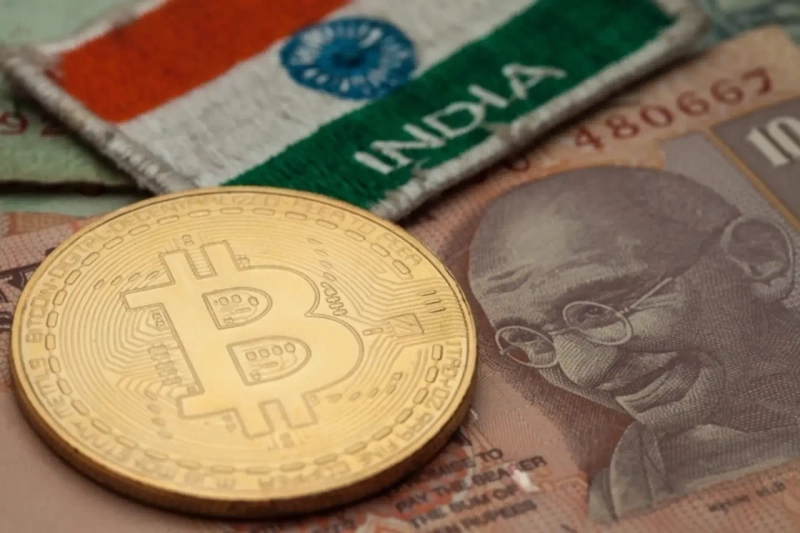
The Reserve Bank of India is reported to have proposed to the government a plan to link central bank digital currencies (CBDCs) among BRICS countries. The aim is to boost the efficiency of cross-border payments and gradually reduce dependence on the U.S. dollar.
According to crypto-focused media outlet CoinDesk on the 19th, the RBI asked the government to include a proposal to build a CBDC linkage system on the agenda of the 2026 BRICS summit to be hosted by India this year. Multiple sources said the initiative is focused on cutting payment costs and improving settlement speed in trade and tourism.
The proposal is drawing attention as the first attempt to formally connect CBDCs among BRICS members—including Brazil, Russia, India, China and South Africa—as well as recent entrants such as the United Arab Emirates (UAE), Iran and Indonesia.
In markets, there is also speculation that such moves could fuel tensions over dollar dominance. President Trump has repeatedly warned BRICS countries against attempts to replace the dollar, and has said he would impose steep tariffs if related moves emerge.
None of the major BRICS economies has fully rolled out a CBDC so far, but most are running pilot programs. India has expanded usage by testing offline payments, conditional subsidy disbursements and integration with fintech wallets through the digital rupee (e-rupee), introduced in late 2022. China is also said to be continuously exploring the potential for international use of the digital yuan.
The discussion comes as U.S.-India trade frictions have resurfaced. With the United States imposing steep tariffs on Indian products, India’s exports have been constrained, while bilateral trade talks remain at an impasse. Some in the market interpret this backdrop as spurring discussions within BRICS to strengthen intra-bloc payment infrastructure.
Still, observers note that significant hurdles remain before any BRICS CBDC linkage can be implemented, including technical standards, regulatory coordination, and issues around exchange rates and capital controls.

Minseung Kang
minriver@bloomingbit.ioBlockchain journalist | Writer of Trade Now & Altcoin Now, must-read content for investors.