Kevin O’Leary: “Infrastructure—not tokens—will be the winner… most crypto assets unlikely to regain their peak”
Summary
- Kevin O’Leary said the next axis of value in crypto assets and the artificial intelligence industry will be infrastructure, not tokens.
- He said he allocates about 19% of his portfolio to crypto assets and related infrastructure and land investments, and is preparing sites for Bitcoin mining and data centers.
- O’Leary said the only assets drawing institutional interest are Bitcoin and Ethereum, and that most tokens down 60–90% will be difficult to recover.
Forecast Trend Report by Period


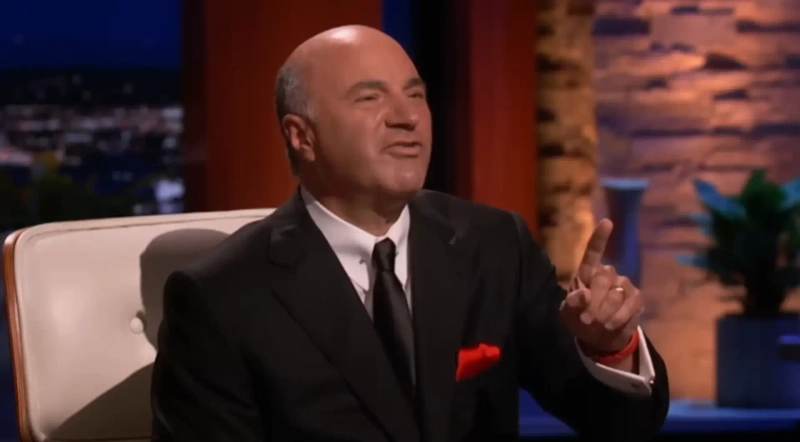
Investor Kevin O’Leary, known for the U.S. TV show Shark Tank, said the next axis of value in the crypto-asset and artificial intelligence (AI) industries will be infrastructure, not tokens. He is making large bets on land and power infrastructure targeting Bitcoin mining and data centers.
According to CoinDesk on the 22nd (local time), O’Leary said he has secured a total of 26,000 acres of land across several regions in North America and is preparing sites for Bitcoin mining as well as AI and cloud data centers. Of that, 13,000 acres are located in Alberta, Canada, while the remaining 13,000 acres are in undisclosed locations where permitting is under way.
Rather than building data centers himself, O’Leary chose a strategy of developing “shovel-ready” sites equipped with power, water and communications infrastructure, and then leasing them to companies. “My role isn’t to build data centers, but to prepare sites where all permits are in place,” he said.
He forecast that roughly half of the data-center projects announced over the past three years will not actually be built, citing many cases where plans were unveiled without appreciating how difficult it is to secure land and power. O’Leary called it “a land grab with no readiness.”
O’Leary stressed that, in some areas, power contracts priced below 6 cents per kilowatt-hour carry more value than Bitcoin itself. He argued that, over the long term, infrastructure will become a more important asset than tokens. He currently allocates about 19% of his portfolio to crypto assets and related infrastructure and land investments.
He also voiced skepticism about the broader crypto-asset market. O’Leary asserted that the only assets attracting institutional capital are Bitcoin and Ethereum. “97.2% of the volatility across the entire crypto market is explained by Bitcoin and Ethereum,” he said, adding that “most tokens that are down 60–90% will be hard to recover.”
He pointed to regulation as the key variable holding back full-scale institutional investment in crypto assets. In particular, he took issue with a provision in a U.S. Senate–discussed market-structure bill that bans interest payments on stablecoin accounts. “It’s an unfair competitive environment that benefits banks,” O’Leary said, arguing that “if stablecoins aren’t allowed to generate yield, the legislation itself will be blocked.”
Still, he remained optimistic that the bill could be amended. “The moment regulation is put in place, institutional capital will flow into Bitcoin at scale,” O’Leary said.

YM Lee
20min@bloomingbit.ioCrypto Chatterbox_ tlg@Bloomingbit_YMLEE