US Treasury: “The won’s weakness doesn’t square with South Korea’s fundamentals”
Summary
- The US Treasury redesignated South Korea as a foreign-exchange monitoring list country and said the recent won weakness does not align with Korea’s fundamentals.
- The Treasury said South Korea was placed back on the monitoring list because its bilateral trade surplus with the US and current-account surplus exceeded the thresholds.
- In Seoul’s FX market, USD/KRW climbed to 1,439.50 won, and participants judged that news of Kevin Warsh, a former Fed governor, potentially being tapped as the next Fed chair had a bigger impact than the Treasury report.
Forecast Trend Report by Period


Unusual assessment in US “FX report”
South Korea redesignated an “FX monitoring list” country
USD/KRW rises instead, nearing 1,440 won
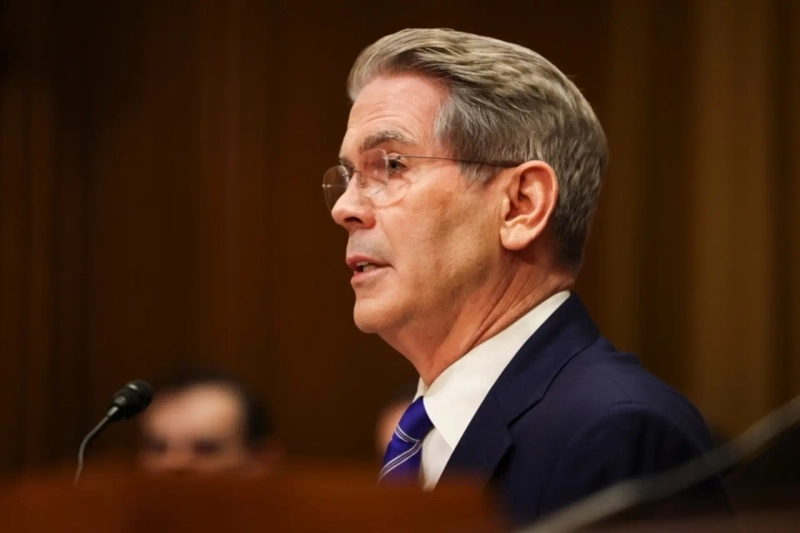
The US Treasury on the 29th (local time) redesignated South Korea as a “foreign-exchange monitoring list” country and assessed the recent high exchange-rate environment as “not consistent with fundamentals.” It is highly unusual for the US government to cite the level of the won-dollar exchange rate in an official document, following an earlier verbal warning from US Treasury Secretary Scott Bessent.
In its “Report to Congress on Macroeconomic and Foreign Exchange Policies of Major Trading Partners of the United States” released that day, the Treasury redesignated South Korea as a monitoring list country. The move is seen as reflecting that Korea exceeded the thresholds for the bilateral goods trade surplus with the US and the current-account surplus—criteria used in designations related to “currency manipulators.”
On USD/KRW trends, the report noted that “by late 2025, the won further weakened in a way that was not consistent with Korea’s strong economic fundamentals.” The message mirrors what Secretary Bessent conveyed to markets on the 14th, shortly after meeting Deputy Prime Minister Koo Yun-cheol, who also serves as minister of the Ministry of Economy and Finance, warning about won weakness. A government official said, “It is unusual for the US FX report to assess a specific country’s exchange-rate level,” adding, “In particular, the second half of 2025 is not within this assessment period (July 2024 to June 2025).”
Some analysts say the Treasury’s public mention of the won’s weakness reflects concern that instability in the FX market could delay the $350 billion in investment into the US agreed during Korea–US tariff negotiations.
In Seoul’s onshore FX market, the won-dollar exchange rate (as of 3:30 p.m.) ended daytime trading at 1,439.50 won per dollar, up 13.20 won from the previous day. Market participants judged that news that former US Federal Reserve (Fed) governor Kevin Warsh could be nominated as the next Fed chair had a bigger impact than the Treasury report.
By Kang Jin-kyu / Nam Jung-min, josep@hankyung.com

Uk Jin
wook9629@bloomingbit.ioH3LLO, World! I am Uk Jin.