PiCK
Trump: 'The right person who won’t disappoint'…Warsh likely to quicken the pace of rate cuts
Summary
- President Donald Trump nominated Kevin Warsh as the next Fed chair, describing the choice as one favoring rate cuts.
- Warsh, once an opponent of quantitative easing, has recently pivoted to a more dovish stance by openly supporting rate cuts.
- If Warsh becomes chair, he is expected to lower the U.S. policy rate while calibrating the size and pace of cuts, pairing them with Fed balance-sheet reduction as a condition.
Forecast Trend Report by Period


Trump names Kevin Warsh, former Fed governor, as Powell’s successor
Met Trump privately the day before for a ‘last-minute vetting’
Opposed quantitative easing during the financial crisis, but
has recently shifted his stance with rate cuts
Trump, who wants lower rates, ‘taps’ Warsh
Backed by Wall Street heavyweights including JPMorgan’s CEO
Morgan Stanley–bred finance elite
Served as the youngest Fed governor in his 30s
Has served as a Coupang director since 2019
Would take office in May if he clears the Senate hearing
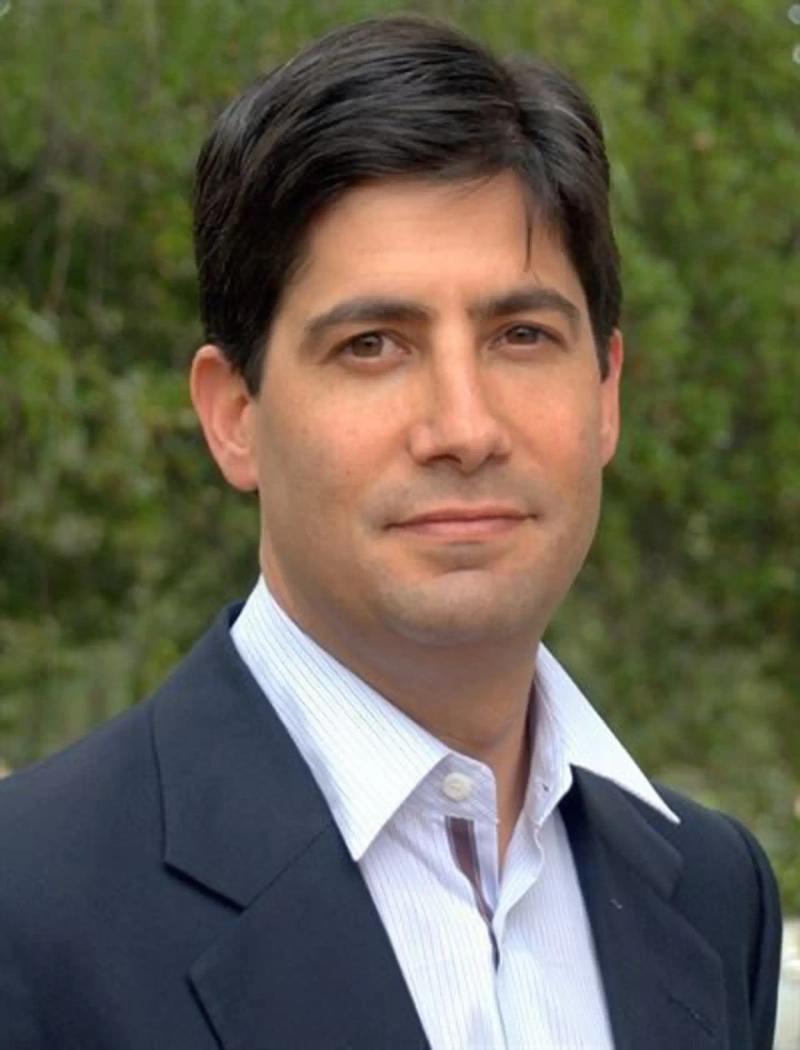
Until now, there were four names narrowed down as candidates for the next chair of the U.S. central bank (Fed). Besides nominee Kevin Warsh, they were Fed Governor Christopher Waller, White House National Economic Council Director Kevin Hassett, and BlackRock Chief Investment Officer Rick Rieder. All believe the policy rate should be lower than it is now. Still, Warsh is seen as relatively ‘less dovish’ than the other contenders. Analysts say Warsh was likely selected as Trump sought someone who could reduce controversy over the Fed’s independence and win market confidence.
◇From ‘hawk’ to ‘dove’
Warsh majored in economics at Stanford University and graduated from Harvard Law School. He then built experience on Wall Street, including serving as a vice president in Morgan Stanley’s mergers and acquisitions division. During the George W. Bush administration, he was appointed in 2006 at age 35 as the youngest Fed governor at the time. During the 2008 global financial crisis, he opposed the Fed’s quantitative easing, which injected liquidity into the economy. Many believe his decision to resign in 2011—despite having seven years left in his term—after the launch of the second round of QE was driven by opposition to the Fed’s accommodative monetary policy.
However, after the launch of the second Trump administration, he began to voice more dovish views. He is said to have answered during an interview with Trump for the Fed chair post that rates should be cut. It is also seen that support from Wall Street’s mainstream camp strengthened Warsh’s standing. The Financial Times (FT), citing sources, reported: “Wall Street heavyweights such as JPMorgan CEO Jamie Dimon told Trump confidants in private that ‘Warsh, a proven pick who has served as a Fed governor, is a safer choice than Rieder.’” Warsh’s father-in-law, Ronald Lauder, is also known to be close to Trump. Lauder, from the Estée Lauder family of the global cosmetics company, is said to have suggested to Trump the idea of buying Greenland. Warsh currently serves as a director at Coupang and UPS.
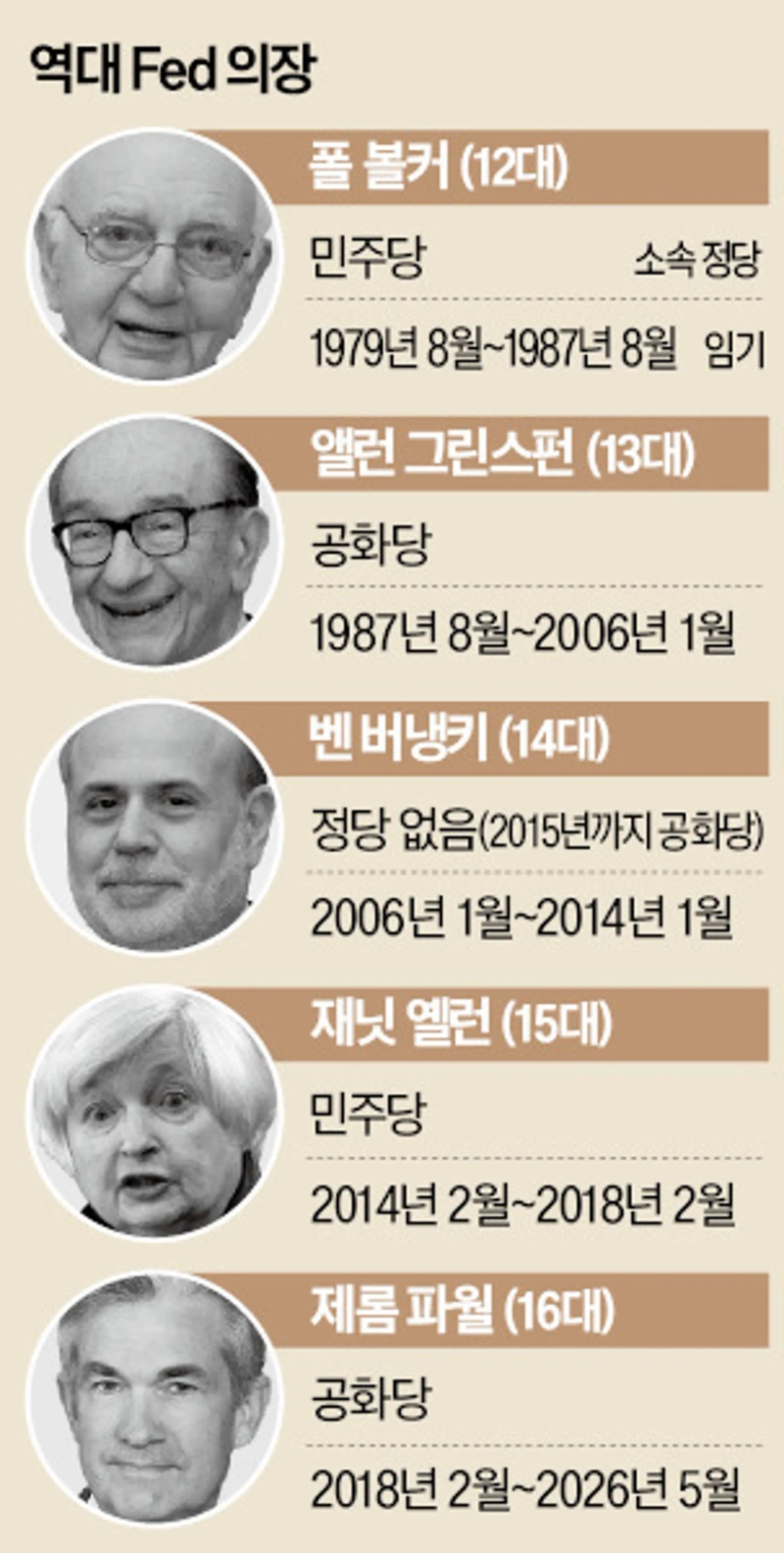
◇How far will rates fall?
Trump has complained that the economic recovery is sluggish because the Fed has not moved quickly to cut rates. Recently, he also said the U.S. policy rate should be lowered to below 1% per year. The current U.S. policy rate is 3.5–3.75% per year. Fed Chair Jerome Powell is negative on such aggressive rate cuts.
Warsh is viewed as having a compromise plan. Damian Boey, a portfolio strategist at Wilson Asset Management in Australia, told Reuters, “Warsh has publicly stated that he prefers lower rates,” adding, “In return, he is putting forward that the Fed should shrink its assets as a condition for rate cuts.” In other words, if Warsh becomes Fed chair, he may cut the policy rate but could calibrate the size and pace of cuts.
Trump also appears to have given points for such caution. The Wall Street Journal (WSJ) noted, “Trump hopes the new chair will follow his demands to lower rates while also winning enough trust from Wall Street and fellow Fed officials to actually carry it through.” Bloomberg also reported that Trump wanted someone who would secure market confidence while remaining loyal to him.
Attention is also turning to Powell’s future. Powell’s term as chair ends on May 15, but his term as a Fed governor runs through late January 2028. For that reason, it is also being discussed that he could remain in his seat as a governor. The Fed chair nominee must be confirmed by the Senate. Republicans hold 53 of the Senate’s 100 seats, so barring surprises, they are likely to secure a majority.
By Han Kyung-jae / New York = Correspondent Park Shin-young hankyung@hankyung.com

Korea Economic Daily
hankyung@bloomingbit.ioThe Korea Economic Daily Global is a digital media where latest news on Korean companies, industries, and financial markets.