Did they get burned by a trusted pickaxe… retail investors who went all in are in ‘meltdown’
Summary
- It reported that gold and gold prices plunged about 15% from their peak, and silver futures prices also fell 31.4%.
- It analyzed that, due to the ‘Wash effect’ stemming from Kevin Warsh’s nomination, the U.S. dollar has shifted into strength, pressuring precious metals prices.
- It said structural demand for gold remains solid, supported by central bank gold purchases and a medium- to long-term monetary easing bias.
Forecast Trend Report by Period


‘Screams’ as gold and silver plunge… profit-taking supply pours out on the ‘Wash effect’
Gold down 15% from its peak… silver recoups part of the drop
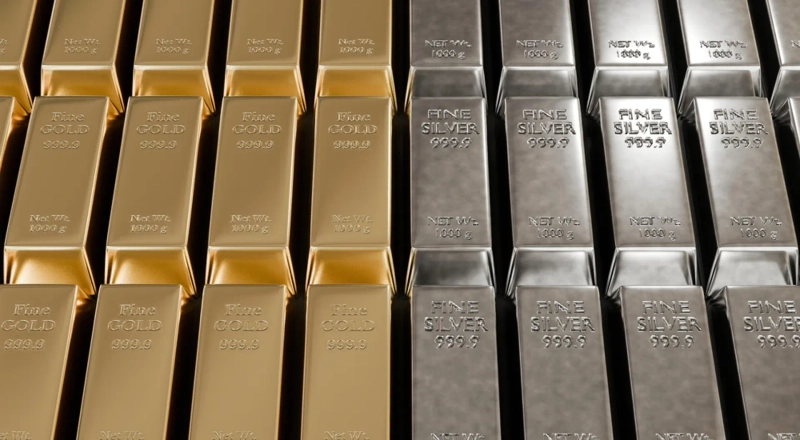
The global precious-metals market is being roiled by the so-called ‘Wash effect.’ Gold and silver prices, which had been repeatedly setting fresh highs, have abruptly turned sharply lower. Gold slid to around $4,600–$4,700 per troy ounce, down about 15% from the peak recorded at the end of last month. Silver, after plunging, has clawed back part of the decline and is showing a modest rebound.
According to the New York Mercantile Exchange (COMEX) on the 2nd, as of 11 a.m. that day, gold futures were trading at $4,742 per troy ounce. That is down 15.3% from the recent peak on the 29th of last month ($5,599). Silver futures were also at $83, down 31.4% from the peak recorded the same day ($121). Still, silver briefly fell to $69 early the previous day before edging higher on bargain-hunting inflows.
The selloff is being attributed to the so-called ‘Wash effect.’ With Kevin Warsh, a former U.S. Federal Reserve (Fed) governor seen as hawkish, being named as a candidate for the next Fed chair, expectations have spread that the pace of rate cuts could slow. As the dollar shifted back into a stronger footing, alternative assets such as gold and silver came under simultaneous pressure, analysts said. With uncertainty growing over U.S. monetary policy, some also interpret that funds that had crowded into safe havens are exiting all at once.
Even so, experts say it is too early to label this correction a trend-like decline. They cite continued gold buying by central banks as part of efforts to diversify foreign-exchange reserves, and the likelihood that an easing bias will persist over the medium to long term. While short-term volatility has increased, structural demand for gold is still seen as solid.
By Lee Hye-in hey@hankyung.com

Korea Economic Daily
hankyung@bloomingbit.ioThe Korea Economic Daily Global is a digital media where latest news on Korean companies, industries, and financial markets.