European Central Bank holds rates... "Euro strength could push inflation lower"
Summary
- The ECB said it kept the deposit facility rate, the main refinancing rate, and the marginal lending facility rate all unchanged.
- Markets see the ECB as likely to hold the policy rate steady throughout this year.
- President Christine Lagarde said euro strength could bring inflation down below what is currently expected.
Forecast Trend Report by Period


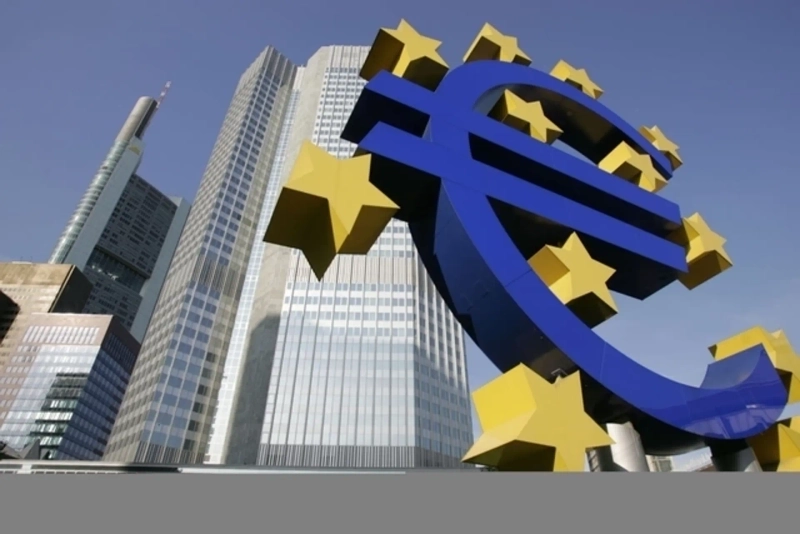
The European Central Bank (ECB) held all three key policy rates, including the deposit facility rate, unchanged.
The ECB convened its monetary policy meeting in Frankfurt, Germany, on the 5th (local time) and kept the deposit facility rate unchanged at 2.00% per annum. The main refinancing rate (2.15%) and the marginal lending facility rate (2.40%) were also left unchanged.
As a result, the gap between the euro area (the 21 countries that use the euro) deposit facility rate—its monetary policy benchmark—and Korea’s policy rate (2.50%) remained at 0.50% point. The rate differential between the euro area and the United States (3.50~3.75%) is 1.50~1.75% points.
Previously, from June 2024 over the course of one year, the ECB cut its policy rates a total of 2.00% points across eight moves. Since then, it has kept rates unchanged at five consecutive meetings up to today.
In markets, the prevailing view is that the ECB will keep policy rates on hold throughout this year. This comes as inflation in Europe has stabilized, while economic growth has remained resilient, led by Southern European countries. The ECB said, "The latest assessment has again confirmed that inflation is expected to stabilize at the target (2%) over the medium term."
Still, if inflation were to fall well below the target due to factors such as euro strength, the ECB could move to cut rates. At a press conference, ECB President Christine Lagarde said, "Euro strength could bring inflation down below what is currently expected," citing the exchange rate as one of the factors that could fuel price instability.
Lagarde, however, said, "The current range of euro fluctuations against the dollar is in line with the average since the euro’s introduction," judging that the euro’s strength since last year has already been incorporated into the ECB’s outlook. She also reiterated the ECB’s stance that while it closely monitors exchange-rate moves, it does not set a target exchange rate.
Lagarde also noted, "The current range of euro fluctuations against the dollar is in line with the average since the euro’s introduction." She added, "The euro’s strength since last year appears to have already been reflected in the ECB’s outlook."

JOON HYOUNG LEE
gilson@bloomingbit.ioCrypto Journalist based in Seoul