Vietnam Weighs Applying 0.1% Tax Rate on Virtual Asset Trades, Same as Securities
Summary
- The Vietnamese government said it is pursuing a plan to levy 0.1% personal income tax on virtual asset transfers and trading based on transaction value.
- Virtual asset trading is excluded from value-added tax, but a 20% corporate income tax rate will apply to corporate income from virtual assets.
- To establish a digital asset exchange, minimum paid-in capital of 10 trillion dong will be required, and the foreign ownership cap will be limited to 49%.
Forecast Trend Report by Period


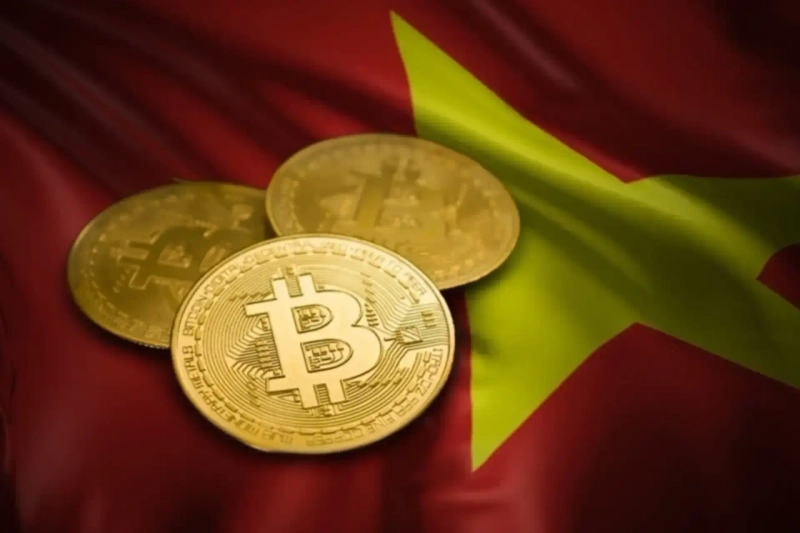
The Vietnamese government is moving to levy a 0.1% tax on virtual asset transfers and trading, based on transaction value. As part of a pilot program to bring virtual asset trading into the regulated system, the taxation method is designed similarly to the existing securities transaction tax regime.
According to local outlet the Hanoi Times on the 7th, Vietnam’s Ministry of Finance recently released a draft decree setting out tax rules for virtual asset trading, transfers and purchases/sales, and has begun a public consultation process. Under the draft, individual investors transferring virtual assets via platforms of licensed service providers must pay personal income tax of 0.1% of the transaction value per transaction.
Virtual asset trading and transfers are excluded from value-added tax (VAT). However, income earned by corporations established in Vietnam through virtual asset transfers will be subject to a 20% corporate income tax rate. The tax base is calculated as the sale price minus the purchase price and direct costs related to the transaction.
The Ministry of Finance defined virtual assets as digital assets created, issued, stored and transferred using cryptographic or digital technology. During the pilot period, issuance, trading and settlement of virtual assets must all be conducted exclusively in Vietnamese dong.
Vietnam began a long-term pilot operation of the virtual asset market in September last year, and the program is set to run through 2030. The pilot scope includes operating markets for virtual asset issuance and trading, as well as providing related services. Authorities plan to pursue gradual institutionalization, with safety and transparency and the protection of investors’ rights and interests as guiding principles.
Separately, requirements to establish digital asset exchanges will also be significantly tightened. Under the draft, establishing an exchange requires minimum paid-in capital of 10 trillion dong (about $408 million). This is roughly three times the requirement for setting up a commercial bank. The cap on foreign investors’ equity holdings will be limited to 49%.

Minseung Kang
minriver@bloomingbit.ioBlockchain journalist | Writer of Trade Now & Altcoin Now, must-read content for investors.