EU Pushes 20th Sanctions Package on Russia…Targets Crypto Assets and Even the Digital Ruble
Summary
- The EU said its 20th Russia sanctions package will focus on Russia’s fund flows and payment and fund-transfer channels.
- The EU said it is considering a comprehensive transaction ban and a full SWIFT cutoff for additional Russian banks as well as third-country financial institutions.
- The EU said it will impose a complete ban on dealings involving the digital ruble and crypto-asset service providers, and apply an anti-circumvention tool to restrict exports to countries used for sanctions evasion.
Forecast Trend Report by Period


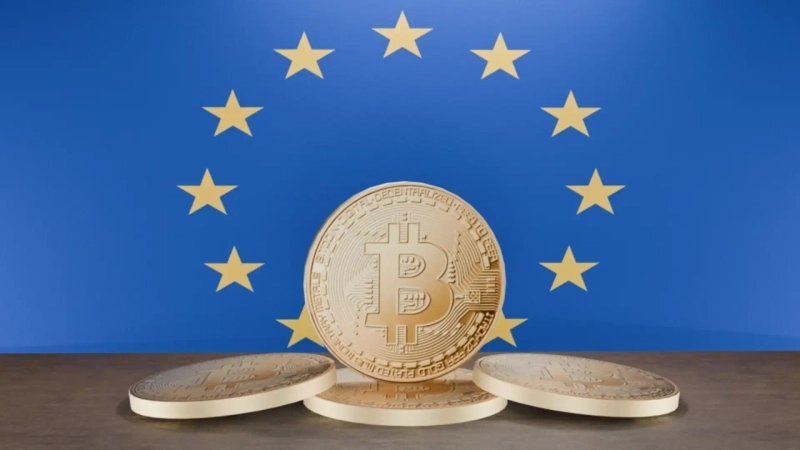
The European Union (EU) is tightening sanctions on Russia, aiming to directly cut off the flow of funds. Moving beyond existing trade restrictions, the plan encompasses banks, payment infrastructure and crypto assets—seeking to choke off war financing itself.
According to CoinDesk, a cryptocurrency-focused media outlet, on the 7th the EU plans to use its 20th Russia sanctions package to home in on Russia’s payment and fund-transfer channels. The assessment is that the measures are less about what is being traded and more about how Russia moves money.
The EU is first considering a comprehensive ban on transactions with additional Russian banks. Financial institutions in third countries that have supported Russian fund transfers are also likely to be included as sanctions targets. These banks are expected to be fully cut off from the Society for Worldwide Interbank Financial Telecommunication (SWIFT), limiting access to the global financial network.
A key change in this package is direct sanctions on digital financial instruments. The EU is pushing to completely ban the use of Russia’s central bank digital currency, the digital ruble, within the bloc. It will also prohibit European companies from dealing with Russian crypto-asset service providers. This is seen as going a step beyond the existing wallet-balance cap approach, moving to block transactions themselves.
In addition, the EU plans to apply an “anti-circumvention tool” in earnest for the first time, targeting countries suspected of serving as channels for sanctions evasion. If evidence confirms that sanctioned goods are entering Russia via third countries, the EU could restrict exports to the country in question altogether.

Minseung Kang
minriver@bloomingbit.ioBlockchain journalist | Writer of Trade Now & Altcoin Now, must-read content for investors.