US FDIC ends lawsuit over withholding documents restricting banks’ crypto dealings
Summary
- The US Federal Deposit Insurance Corporation (FDIC) said it has ended a FOIA lawsuit with Coinbase and agreed to pay $188,440 in legal fees.
- The FDIC had kept nonpublic so-called 'pause letters' telling banks not to start or expand virtual-asset-related businesses, but the documents were released following court rulings and litigation.
- Under the settlement, the FDIC said it will not blanket-withhold virtual-asset supervisory documents and bank supervisory materials without justification.
Forecast Trend Report by Period


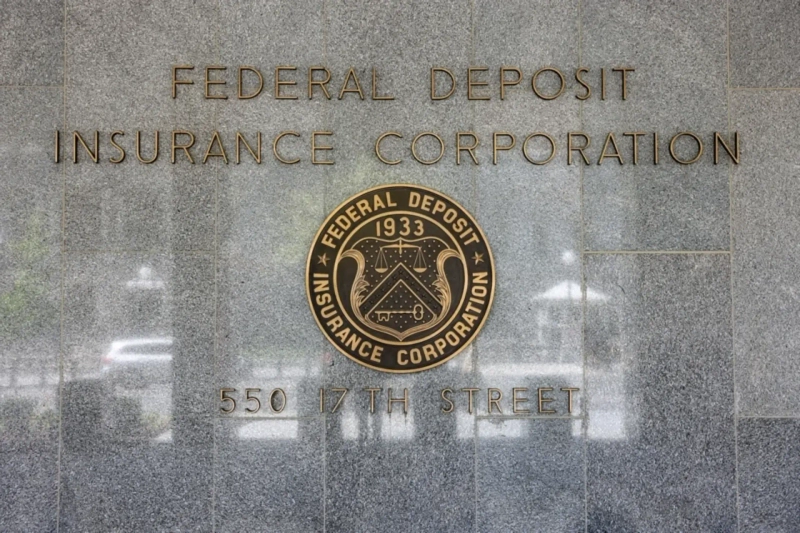
The US Federal Deposit Insurance Corporation (FDIC) has agreed to pay Coinbase’s legal fees as it moved to close out litigation over the disclosure of so-called “pause letters” related to virtual assets (cryptocurrencies).
According to crypto-focused outlet Decrypt on the 9th, the FDIC finalized a Freedom of Information Act (FOIA) lawsuit involving Coinbase and agreed to pay $188,440 in legal costs. It also said it would no longer blanket-withhold supervisory documents related to virtual assets.
At the center of the dispute were the FDIC’s so-called “pause letters” sent to banks. The documents requested that banks not begin virtual-asset-related businesses or further expand projects already underway. Coinbase said it had confirmed the existence of such documents and sought their release, but the FDIC had kept them nonpublic.
The court found the FDIC’s approach improper. It ruled that hiding the documents in a lump—without reviewing them individually—on the grounds that “documents of this type are not subject to disclosure” violated FOIA. The court then repeatedly ordered the FDIC to produce records, and the documents were released after years of litigation.
Joe Ciccolo, CEO of crypto AML consultancy BitAML, said the case “shows that crypto supervision under the previous administration was influenced more by political and reputational considerations than by safety.” He added, “Given that the FDIC is an agency that protects the public’s deposits, transparency is paramount.”
The controversy is also tied to allegations of “Operation Chokepoint 2.0,” a claim that US bank regulators pressured banks through informal means rather than formal rules, making it harder for crypto firms to access financial services.
Coinbase Chief Legal Officer Paul Grewal said after the settlement, “Years of litigation were worth it,” adding that it confirmed “documents actually existed telling banks to steer clear of crypto.”
Under the settlement, the FDIC pledged to interpret disclosure requests more broadly going forward and not to impose sweeping nondisclosure on bank supervisory materials without justification. Once the FDIC pays the settlement amount, both sides are expected to formally close the case.

Minseung Kang
minriver@bloomingbit.ioBlockchain journalist | Writer of Trade Now & Altcoin Now, must-read content for investors.