U.S. weighs seizing Iranian oil tankers, but crude stays muted despite Trump warnings
Summary
- The Trump administration was reported to have weighed an additional seizure of tankers carrying Iranian crude to block oil exports, but held off amid fears of retaliation and a spike in oil prices.
- It said that if Iran retaliates by seizing oil tankers in the Middle East or triggering a crisis in the Strait of Hormuz, a surge in global oil prices and political fallout could be significant.
- Even so, March-delivery WTI closed at $63.96 a barrel and has recently moved sideways around $64, with oil price swings limited despite geopolitical tensions.
Forecast Trend Report by Period


High likelihood of Iranian retaliation
White House fears political fallout if oil prices spike
WTI trades around $64
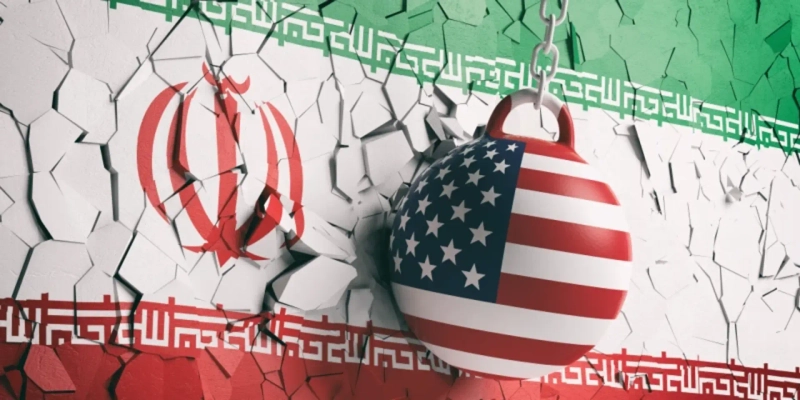
The Donald Trump administration considered additional seizures of tankers carrying Iranian crude, but has reportedly held off out of concern over Iranian retaliation. International oil prices have been moving sideways this week.
The Wall Street Journal (WSJ) reported on the 10th (local time), citing sources, that the plan to seize Iranian tankers has not been put into action given the very high likelihood of Iranian reprisals and the potential impact on the global oil market.
Previously, as part of measures to tighten the blockade on Venezuela, the United States seized vessels carrying Iranian crude over the past two months. The targets were tankers known as the “shadow fleet.” These vessels transport crude from sanctioned countries to destinations such as China.
According to the WSJ, the Trump administration is weighing steps to further block the operations of sanctioned vessels loading crude in Iran, effectively choking off oil exports, Tehran’s main source of revenue. That would expand a strategy implemented in Venezuela last December.
The U.S. Treasury has designated 20 vessels transporting Iranian crude as sanctions targets so far this year. These ships could become potential seizure targets.
The move is seen as an attempt to deepen Iran’s economic isolation—rather than conduct military strikes—in order to secure an agreement on its nuclear program. The U.S. government reportedly believes that while military action could damage the Iranian regime, it would be difficult to change the regime itself.
However, there are said to be strong concerns inside the White House about the blowback this approach could trigger, given the high risk of Iranian retaliation. For example, if Iran were to seize oil tankers belonging to U.S. allies in the Middle East or lay mines in the Strait of Hormuz, oil prices could surge. The WSJ noted that the White House is worried about the political ramifications of a spike in oil prices.
President Trump is weighing two options: a diplomatic solution and military intervention. In an interview with Axios that day, Trump said, “I expect a second round of nuclear talks between the United States and Iran to take place next week,” adding, “We either reach a deal, or we will have to take very strong measures like last time.”
He also said the U.S. could bolster the deployment of military assets around Iran. “One fleet is heading there, and another fleet could be added,” he emphasized. The remarks were interpreted as signaling the possibility of armed intervention if negotiations collapse.
Still, he left the door open to a diplomatic resolution. “We can make a great deal with Iran,” he said, claiming Iran “desperately wants to negotiate.” He argued that the situation is different this time because Iran has been shown that the U.S. could actually carry out military operations, as in the U.S. strike on Iranian nuclear facilities last June.
On the day, March-delivery West Texas Intermediate (WTI) settled down $0.4 (0.62%) at $63.96 a barrel. Recently, WTI has been hovering around $64 a barrel. Bloomberg said, “While geopolitical tensions did not significantly move oil prices, it offset the increase in U.S. crude inventories.”
Reporter Han Myung-hyun wise@hankyung.com

Korea Economic Daily
hankyung@bloomingbit.ioThe Korea Economic Daily Global is a digital media where latest news on Korean companies, industries, and financial markets.