Russia’s Finance Ministry, Central Bank: “Crypto trading surging… need to introduce a bill to regulate the market”
Summary
- Russia’s Finance Ministry and central bank said a swift introduction of a bill to regulate the virtual-asset market is needed, citing a surge in virtual-asset trading and trillions of rubles in savings and investment.
- The Bank of Russia said it released a draft virtual-asset investment policy, including distinguishing between qualified and non-qualified investors, an annual 300,000-ruble cap for non-qualified investors, and broad market access excluding privacy coins.
- Deputy Minister Chebeskov said he expects adoption of the bill within this spring session, a transition period for market participants to obtain licenses and put internal rules in place, and bringing the virtual-asset market into the regulated system.
Forecast Trend Report by Period


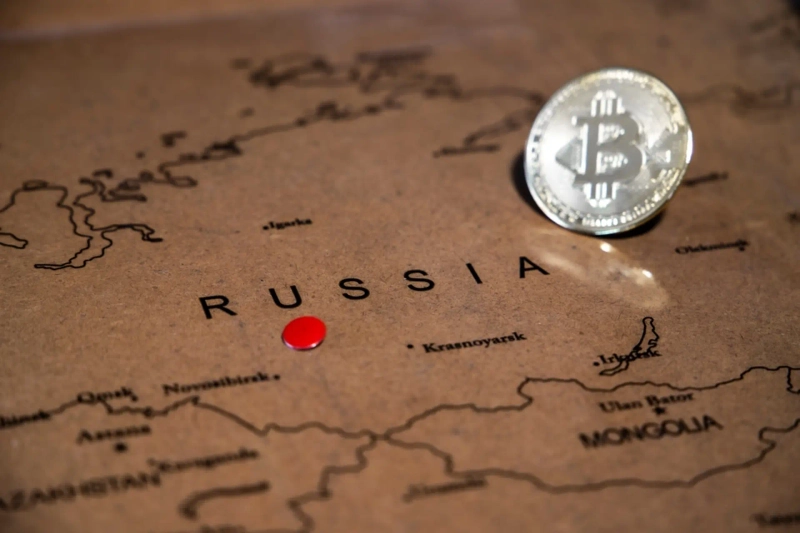
Russia’s Finance Ministry and central bank have urged the government to swiftly introduce legislation to regulate the virtual-asset (cryptocurrency) market, citing a surge in virtual-asset trading.
According to Cointelegraph on the 16th (local time), Ivan Chebeskov, deputy finance minister of Russia, said at the Alfa Talk conference that “millions of citizens are participating in virtual-asset trading, and trillions of rubles are being used from a savings and investment perspective,” adding that “daily domestic virtual-asset trading volume is about 50 billion rubles, meaning funds totaling 10 trillion rubles (about $129.4 billion) a year are moving outside regulation.”
As U.S. and European sanctions against Russia are prolonged, the use of virtual assets is spreading rapidly in the country. In particular, the European Union (EU), concerned that Russia could use virtual assets to circumvent sanctions, is reportedly reviewing an option to include in its latest sanctions package a measure to “ban all virtual-asset transactions with Russia.”
Against this backdrop, the Bank of Russia in December last year released a draft policy that would allow virtual-asset investment by distinguishing between qualified and non-qualified investors. The move marks a step back from its previous stance of an outright ban. Under the draft, non-qualified investors may hold virtual assets only within an annual limit of 300,000 rubles (about $3,834), while qualified investors would be granted broad market access excluding privacy coins.
Deputy Minister Chebeskov said, “We expect the government to adopt the bill within this spring session,” adding that “a transition period should be provided so market participants can obtain the necessary licenses and put internal rules in place.” It underscored an intent to bring the virtual-asset market into the regulated financial system by establishing a regulatory framework.

Suehyeon Lee
shlee@bloomingbit.ioI'm reporter Suehyeon Lee, your Web3 Moderator.