French Hill Urges Senate to Adopt House-Passed Clarity Bill as Stablecoin Yield Dispute Intensifies
Summary
- Rep. French Hill said he is urging the Senate to resolve the stablecoin rewards issue by using the Clarity Act language passed by the House.
- In Congress, conflict continues over whether to allow stablecoin reward payments, and the GENIUS Act was said not to explicitly ban rewards offered by third-party platforms.
- Jaret Seiberg said that if the stablecoin yield dispute becomes prolonged, the broader digital-asset market structure legislation could be put at risk.
Forecast Trend Report by Period


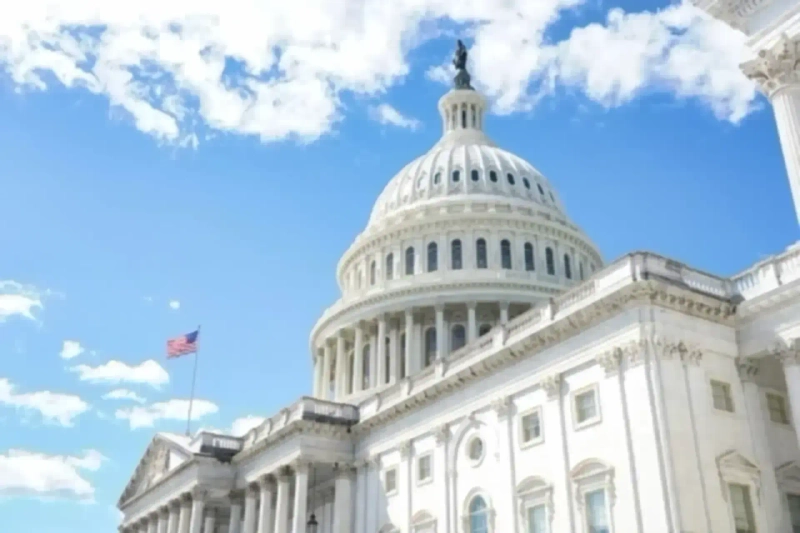
As tensions persist in the U.S. Congress over the payment of stablecoin rewards (interest), French Hill, the top Republican on the House Financial Services Committee, urged the Senate to adopt the House-passed digital asset bill without changes.
According to The Block on the 3rd (local time), Hill said at the Milken Institute’s Future of Finance event that day, “If the Senate can’t reach a conclusion, use the language of the Clarity Act passed by the House to solve the problem.” He stressed that the bill passed with the support of 78 Democratic lawmakers.
For more than a year, Congress has been discussing a market structure bill to regulate the broader digital asset (cryptocurrency) industry. The House passed the Clarity Act last year, but in the Senate, whether to allow stablecoin reward payments has emerged as a key point of contention.
The stablecoin bill passed in July, the GENIUS Act, banned issuers from paying interest directly to holders. However, it did not explicitly prohibit rewards offered by third-party platforms such as Coinbase.
Banks argue that if yield payments on stablecoins are allowed, deposits could flow out of traditional financial institutions, hurting community banks. The digital asset industry, meanwhile, counters that limiting rewards would stifle innovation and says the issue was already fully debated during deliberations over the GENIUS Act.
Hill also said the Treasury Department could play a mediating role. The Office of the Comptroller of the Currency (OCC) recently released a proposed rule to implement the GENIUS Act and began soliciting public comments. Hill said the rulemaking process “could address fairness between banks and nonbank stablecoin issuers in an equitable manner.”
Jaret Seiberg, managing director at TD Cowen’s Washington Research Group, said that if the conflict over stablecoin yield drags on, the broader digital asset market structure legislation as a whole could be put at risk. The OCC proposal includes language that would presume illegality when an issuer works with an affiliate or related entity to provide third-party yield.
Still, some have raised the possibility that after the public comment period regulators could revise their stance, or that issuers and platforms could adjust contractual structures to avoid the regulatory “presumption of illegality,” preserving certain yield arrangements.

YM Lee
20min@bloomingbit.ioCrypto Chatterbox_ tlg@Bloomingbit_YMLEE