Google also targets quantum-computing readiness by 2029…Bitcoin security risks come into focus
Summary
- It reported that Google unveiled a roadmap to transition its entire system to Post-Quantum Cryptography (PQC) by 2029.
- It said that as quantum computers advance, Bitcoin’s elliptic curve cryptography (ECDSA) structure could be exposed to long-term security threats.
- It reported that an estimated 6.8 million bitcoin (about $470 billion, roughly 35% of total supply) are held at addresses vulnerable to quantum attacks, and that response discussions are under way via BIP360.
Forecast Trend Report by Period


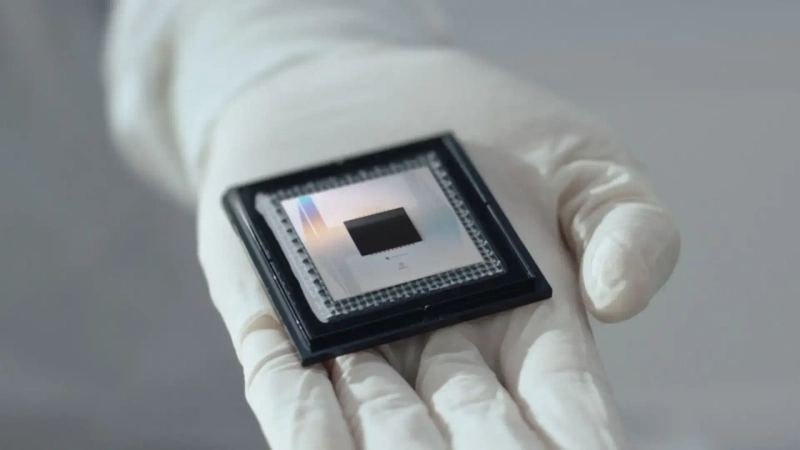
Google has formalized the timing for migrating its security architecture in preparation for the era of quantum computers.
According to Decrypt on the 26th (local time), Google released a roadmap to transition all of its systems to Post-Quantum Cryptography (PQC) by 2029.
Google said, “Quantum computers will pose a significant threat to existing encryption and digital signature systems,” underscoring the need for preemptive action. The plan also includes applying quantum-resistant digital signatures (ML-DSA) to Android 17.
The quantum-computing threat is seen as already entering an early stage of becoming real. As so-called “harvest now, decrypt later” attacks become possible, concerns are growing that data encrypted today could be decrypted in the future.
In particular, some analyses suggest Bitcoin’s security structure could be affected over the long term. Bitcoin is built on elliptic curve cryptography (ECDSA), and if sufficiently advanced quantum computers emerge, private keys could be derived from public keys.
By current estimates, about 6.8 million bitcoin—assets worth roughly $470 billion—are stored at addresses vulnerable to quantum attacks. This amounts to about 35% of the total supply.
Recent studies have also indicated that decryption could be possible with 20 times fewer computational resources than previously expected, raising concerns that the timeline for security measures may be brought forward.
Still, Google’s 2029 target does not mean that quantum computers will be able to break cryptography by then; rather, it means it aims to complete preparations before that point.
Bitcoin is also seeing discussions on how to respond. The BIP360 proposal to introduce a quantum-resistant address scheme was recently added to the official repository, kicking off upgrade talks.
The industry notes that for Bitcoin, a full-scale transition could take more than several years given its decentralized structure, making the speed of response a key variable.

YM Lee
20min@bloomingbit.ioCrypto Chatterbox_ tlg@Bloomingbit_YMLEE