War that was supposed to end in 4–6 weeks likely to last at least another month
Summary
- The war initially expected to last 4–6 weeks could continue beyond May due to wide differences between the United States and Iran and difficult peace negotiations, the report said.
- President Donald Trump has expressed a desire for an early end to the war and hopes to end the conflict within weeks, but Iran’s rejection of the proposed terms suggests it will take time to reach an agreement, it said.
- With the United States building up forces in the Middle East, the possibility of ground operations related to Kharg Island, and a decision to quadruple missile production, there are expectations the war could become protracted, it said.
Forecast Trend Report by Period


Trump wants a “speed campaign,” but
wide U.S.-Iran gaps complicate end-of-war talks
Could drag on until May, when U.S.-China talks are set
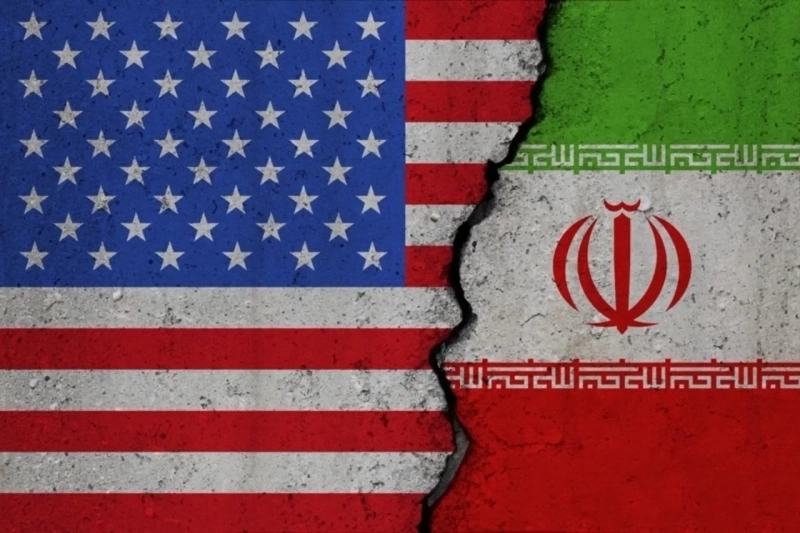
The goal of a war that was initially expected to end in 4–6 weeks is now seen as difficult to achieve. Although the conflict has entered its first month, there is no clear exit in sight. Even if peace talks begin as soon as tomorrow, the wide differences between the United States and Iran are expected to require several weeks.
While the United States is expanding troop deployments across the Middle East, President Donald Trump’s will to end the war early also appears strong. According to The Wall Street Journal (WSJ) on the 26th, Trump was quoted as telling aides, “I want to avoid getting pulled into a long war with Iran,” adding that he hopes to “end the conflict within a few weeks.”
Although Iran recently rejected 15 conditions proposed by the United States for ending the war, behind-the-scenes efforts toward a peace deal appear to be active. WSJ reported that the United States and Israel temporarily removed Iranian parliament speaker Mohammad Bagher Ghalibaf and Foreign Minister Abbas Araghchi from assassination targets to facilitate negotiations. Israeli media said Trump could make a surprise declaration of a ceasefire as early as the 28th.
Even if the two sides sit down at the negotiating table, reaching an agreement is expected to take a long time, given large gaps in demands over issues such as nuclear and missile development and control of the Strait of Hormuz.
If the United States, which is reinforcing its forces around the Strait of Hormuz, engages in ground operations, the war could be prolonged further. Should U.S. forces move to seize Kharg Island, Iran is likely to pursue a war of attrition by sustaining intermittent attacks on U.S. troops over the long term. Iran has been strengthening its defenses, including expanding the emplacement of mines on Kharg Island, and the U.S. Department of War (Defense Department) officially announced that it has decided to quadruple missile production, among other measures.
This has also raised forecasts that the war could continue beyond May. One view is that the rescheduling of the U.S.-China summit, originally set for the 28th, to May 14–15 is a hint. The idea is that the White House, seeing the war with Iran potentially continuing into early May, reset the summit dates accordingly.
By Kim Joo-wan, kjwan@hankyung.com

Korea Economic Daily
hankyung@bloomingbit.ioThe Korea Economic Daily Global is a digital media where latest news on Korean companies, industries, and financial markets.