The prolonged 'Middle East slugfest'…US leadership bruised, Russia grins from the sidelines
Summary
- It said the US leadership and its alliances are being shaken as the Strait of Hormuz blockade and the weakening stature of the dollar-based petrodollar system undermine the US leadership.
- It noted that the Strait of Hormuz blockade has sent demand and prices for Russian crude soaring, allowing the Russian government to earn $150 million a day in additional revenue.
- It reported that the Strait of Hormuz blockade is pushing up global oil prices and costs for crude, shipping and manufacturing, worsening the economic damage for oil-importing countries such as China and Japan.
Forecast Trend Report by Period


Analysis of the US-China-Japan-Russia 'war profit-and-loss ledger'
US faces growing domestic discontent and cracks with allies
Russia enjoys an oil boom as Hormuz is blocked
China consolidates its global standing amid a US vacuum
Japan, heavily dependent on Middle East crude, takes a 'direct hit'
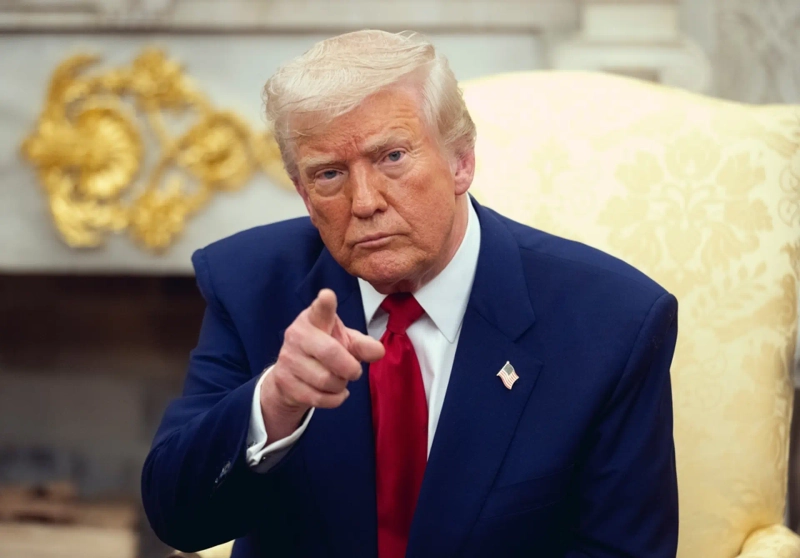
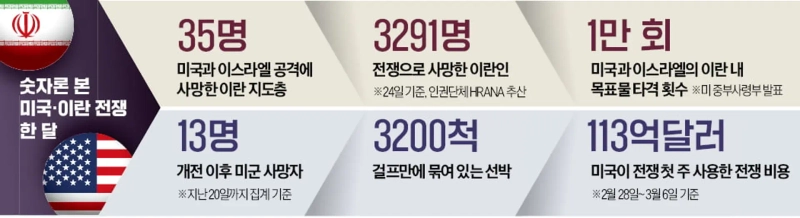
The war between the United States and Israel on one side and Iran on the other, which began on the 28th of last month, has entered its fourth week. Contrary to US President Donald Trump’s assurance that the war would end quickly, the conflict is dragging on, producing divergent gains and losses for major powers. While the US is taking losses, Russia has emerged as the biggest beneficiary without shedding a single drop of blood. China and Japan face heavy short-term economic damage, but analysts say both could still find room for political gains over the medium to long term.
US politics and economy wobble
It is unclear what the United States is gaining from this war. It has achieved the removal of Iran’s leadership and the degradation of its military capabilities, but the whereabouts of the 400 kg of enriched uranium—cited as one of the war’s objectives—remain unknown.
President Trump is being pushed into a politically disadvantageous position. His approval rating has fallen to 36% (Reuters/Ipsos). Rising prices, including oil, and the possibility of deploying ground troops have fueled voter dissatisfaction at home. The fact that Israel is exerting decisive influence over the start and conduct of the war is also creating rifts even within the MAGA base, a core constituency.
Relations with allies that the US built over decades are also being shaken. Gulf partners such as the United Arab Emirates (UAE) were exposed to Iran’s counterstrikes without any preparation. With key infrastructure damaged, their ambitions of becoming hubs for finance, transportation, energy and artificial intelligence (AI) have receded.
The US suffered a blow to its leadership when its request—made via social media—for key allies to dispatch warships to the Strait of Hormuz was not accepted. And as Iran has allowed passage through the strait for ships trading oil in China’s yuan, the standing of the petrodollar system—built on oil trading in US dollars—has also come under challenge.
An unexpected winner: Russia
The country enjoying the biggest windfall from this war is Russia. With the Strait of Hormuz blocked, demand for Russian crude has surged in India, China and elsewhere, driving prices sharply higher. Russian oil, which had traded at a discount to Brent due to sanctions and other factors, is now changing hands at a premium.
The United States, worried about a spike in global oil prices, even lifted some sanctions on Russian crude for 30 days. In effect, it has given Russia—under fiscal strain from the war in Ukraine—some breathing room. Russia’s government is estimated to be earning additional revenue of $150 million a day (about 220 billion won) from these oil exports.
With US and allied military assets concentrated in the Middle East, deterrence against Russia in the Ukraine war has weakened. Reuters reported that “supplies of US-made air-defense weapons that Ukraine relies on are decreasing.” Russian President Vladimir Putin’s diplomatic influence has also grown. Some analyses say Russia is encouraging a prolonged conflict by providing Iran with weapons such as drones.
China and Japan: Pain now, but
China is expected to take an economic hit in the short term, but to benefit in the long run as US standing weakens.
China’s government, which has faced deflationary pressure, increased fiscal spending to lift growth, but this war has dealt a blow. The blockade of the Strait of Hormuz has sharply raised costs for crude, shipping and manufacturing. China’s domestic-demand recovery is also likely to be delayed.
Diplomatically, however, it is seen as a chance to strengthen its position. Reuters said that “in contrast to US military action, China is emphasizing order and stability,” adding that it “has gained an opportunity to present itself as a more trustworthy great power.”
The longer the war drags on, the more US military influence in East Asia weakens—also an opportunity for China. A Beijing-based diplomatic source said, “At a time when China is strengthening its military power, US military influence in the Asia-Pacific region has weakened,” adding, “China may take more proactive action in the future on issues such as Taiwan.”
Japan, which depends on the Middle East for about 95% of its crude imports, is cited—along with South Korea—as one of the countries suffering the greatest economic damage from the blockade of the Strait of Hormuz. On expectations that higher crude prices will deepen the trade deficit, the yen fell to its lowest level in 1 year and 8 months. But the ruling Liberal Democratic Party is expected to use the US dispatch of warships to the strait as a basis to build momentum for revising the pacifist constitution.
Washington=Lee Sang-eun/Beijing=Kim Eun-jung
Tokyo=Correspondent Kim Il-gyu/Kim Dong-hyun selee@hankyung.com

Korea Economic Daily
hankyung@bloomingbit.ioThe Korea Economic Daily Global is a digital media where latest news on Korean companies, industries, and financial markets.