Bitcoin miners’ capitulation appears to be over… a signal of a shift to “structural bullishness”
Summary
- On-chain data show that Bitcoin miners’ selling pressure has fallen sharply, reducing the supply flowing into the market.
- The analysis notes that in past cycles, periods of declining supply tended to coincide with market bottom formation, and argues the market has entered a medium- to long-term bullish transition.
- While Bitcoin’s hashrate is near record highs, hashprice and the average mining cost have driven miner losses, the exit of smaller miners, and share gains by large publicly listed mining firms.
Forecast Trend Report by Period


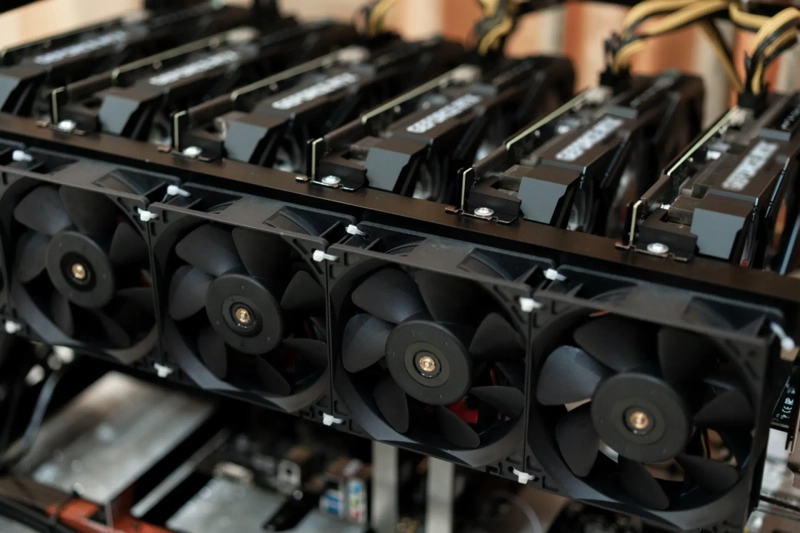
An analysis suggests that the miner capitulation that had been a major source of selling pressure in the Bitcoin (BTC) market has effectively entered its final phase. As the mining industry undergoes structural reshuffling and the amount of supply coming to market declines, the market is seen as moving into a medium- to long-term bullish transition.
On the 26th (local time), 'XWIN Research Japan,' an analyst at on-chain data analytics platform CryptoQuant, said, “Miners’ selling pressure has fallen sharply recently, and the amount of supply flowing into the market is tracing a clear downward curve.”
He explained that it “suggests the large-scale liquidation of holdings to secure funding by miners has moved into the late stages,” adding that “in past cycles, such periods of declining supply generally coincided with the formation of market bottoms.” He added, however, that “this time, despite improvements in the supply structure, demand has yet to recover, producing a pattern differentiated from prior episodes.”
The hashrate, which indicates the Bitcoin network’s computing power, has continued to rise and is hovering near record highs. By contrast, hashprice—an indicator of mining profitability—has neared historical lows. The average cost of mining Bitcoin has surged to around $80,000. At current prices (about $68,000), a significant number of miners are believed to be operating at a loss.
Meanwhile, smaller miners with limited capital are being forced out of the market, while large publicly listed mining firms are instead expanding their share, making polarization increasingly pronounced. In particular, some large mining companies are boosting resilience by diversifying their revenue base beyond mining into artificial intelligence (AI) and high-performance computing (HPC) infrastructure businesses.

Doohyun Hwang
cow5361@bloomingbit.ioKEEP CALM AND HODL🍀