"Google quantum computing breakthrough reignites debate over Bitcoin security"
Summary
- Google’s Quantum AI research team said it improved the implementation of Shor’s algorithm, which could undermine elliptic-curve cryptography (ECC), heightening concerns over Q-Day.
- The industry cited risks including cracking keys in nine minutes, Bitcoin’s 10-minute average block time, and the possibility that all transactions could be targeted.
- It added that long-term cooperation will be necessary as the Ethereum Foundation and Coinbase begin preparations for post-quantum cryptography (PQC) and a broader transition to quantum-resistant security.
Forecast Trend Report by Period


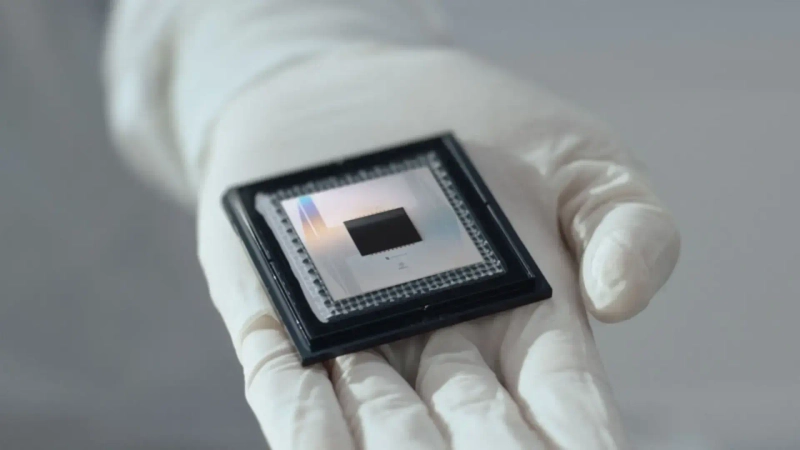
According to The Block on the 31st (local time), Google’s Quantum AI research team published findings that improve the implementation of Shor’s algorithm, which could undermine elliptic-curve cryptography (ECC) at the core of Bitcoin and Ethereum security.
The technology could significantly reduce the resources and time required to crack private keys, raising concerns that so-called “Q-Day” (the point when quantum computers can break conventional cryptography) may arrive sooner than expected. Google underscored the need to respond, setting 2029 as its target date for migration to post-quantum cryptography (PQC).
Industry reactions are mixed. Haseeb Qureshi, managing partner at Dragonfly, said that “the moment quantum computers break existing cryptographic systems could come sooner than expected,” adding that “post-quantum is no longer theoretical.”
Alex Pruden, CEO of Project Eleven, noted that “if a key can be cracked in nine minutes, that’s faster than Bitcoin’s average 10-minute block time,” warning that “every transaction could become a target.”
Others, however, cautioned against excessive alarm. Binance founder Changpeng Zhao (CZ) said, “Cryptocurrencies can ultimately respond through upgrades,” adding, “There’s no need for excessive fear.”
Even so, experts say real-world deployment will still take considerable time. Ethereum researcher Justin Drake pointed to the possibility that quantum attacks could become a reality in the early 2030s, while noting that technical uncertainties remain.
The industry has already begun preparations for a shift to quantum-resistant security. The Ethereum Foundation has formed a related security team, and Coinbase has also launched a quantum technology advisory council.
Experts say that for blockchain networks to transition to quantum-resistant cryptography, long-term cooperation among developers, miners, and users will be required.

YM Lee
20min@bloomingbit.ioCrypto Chatterbox_ tlg@Bloomingbit_YMLEE