Fars Says Iran Would Forgo Nuclear Arms if US Recognizes Enrichment Rights
Summary
- Iran said it would forgo manufacturing nuclear weapons if the US recognizes its right to enrich uranium and proposes talks on enrichment levels.
- The proposed agreement included a full lifting of all sanctions, compensation for Iran’s losses through the creation of investment and financial funds, and a request to adopt the deal as an official UN resolution.
- The Strait of Hormuz deal would allow limited vessel passage under Iranian supervision and apply safe-passage protocols, while the possibility of financial charges such as transit fees remains open.
Forecast Trend Report by Period


Differences Emerge With Supreme National Security Council Statement
Meaning of Hormuz ‘Control’ Also Unclear
Prospect of a Second Abraham Accord
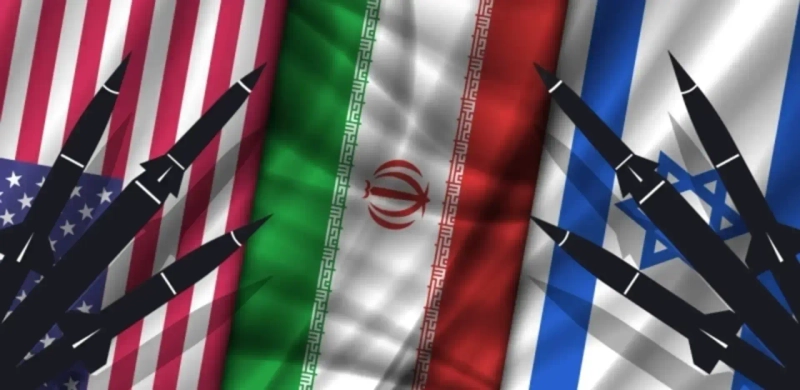
Iran’s semi-official Fars News Agency reported that Tehran’s 10-point proposal included a pledge not to manufacture nuclear weapons. In exchange, the US proposed formally recognizing Iran’s right to enrich uranium and holding separate talks later on enrichment levels. Fars said those terms differ somewhat from the demands outlined earlier by Iran’s Supreme National Security Council.
On July 7, Fars, citing a person involved in the negotiations, laid out the 10 Iranian points that it said formed the basis of the ceasefire agreement:
▲ a complete halt to all acts of aggression against Iran and allied resistance groups such as Hamas and Hezbollah
▲ a withdrawal of US combat forces from the region, a ban on attacks on Iran from US bases, and restraint in combat deployments
▲ limited daily passage of vessels through the Strait of Hormuz for two weeks under Iranian supervision and clear rules, with safe-passage protocols applied
▲ a full lifting of all primary, secondary and United Nations sanctions
▲ compensation for Iran’s losses through investment and the creation of financial funds
▲ Iran’s commitment not to manufacture nuclear weapons
▲ US recognition of Iran’s right to enrich uranium, with negotiations on enrichment levels
▲ Iran’s agreement to negotiate bilateral and multilateral peace accords with regional countries if that aligns with its interests
▲ broader application of a non-aggression principle to all resistance groups against all aggressors
▲ termination of all board and Security Council resolutions, and approval of all commitments through an official UN resolution
A halt to attacks on Iran and its proxy forces, a US troop withdrawal, sanctions relief and compensation for damages broadly matched the Supreme National Security Council’s statement.
But the council said the US had accepted Iran’s 10 clauses and had agreed to nuclear enrichment. Fars described a more specific framework: Iran would pledge not to develop nuclear weapons, while the US would recognize at least some of Tehran’s uranium-enrichment rights. It also said Iran had asked for the entire agreement to be adopted as an official UN resolution, giving it binding force under international law.
Fars also reported that Iran would pursue talks on bilateral and multilateral peace agreements with countries in the region. That could amount to a follow-up to the Abraham Accords advanced during President Donald Trump’s first term by Jared Kushner, Trump’s son-in-law, who the report said is leading the negotiations. The 2020 accords centered on Israel halting annexation of the West Bank while Arab states including the United Arab Emirates and Bahrain normalized ties with Israel.
There was also a difference in nuance between the Supreme National Security Council’s statement and Fars’s account of what Iranian “control” of the Strait of Hormuz would mean. The council used tougher language, saying Iran would maintain control over the strait. That wording appeared to leave open the possibility of transit fees.
Fars was more specific. It said vessels would be allowed limited daily passage through the strait for two weeks under Iranian supervision and clear rules, with safe-passage protocols in place. It did not mention any fee collection. Still, the possibility remains that Iran could impose some monetary charge in exchange for those protocols.
Foreign Minister Abbas Araghchi wrote in a statement that during the two-week period, safe transit through the Strait of Hormuz would be possible provided there was coordination with Iran’s military and account was taken of technical restrictions. The meaning of “technical restrictions” was not clear. The Associated Press, citing a regional official involved in the negotiations, reported that some transit charges would still be collected during the two-week period.
Lee Sang-eun, Washington correspondent, Hankyung.com, selee@hankyung.com

YM Lee
20min@bloomingbit.ioCrypto Chatterbox_ tlg@Bloomingbit_YMLEE