Oil Plunges 16% to the Low $90s; Gold Rebounds More Than 3%
Summary
- International oil prices plunged to the low $90s a barrel on news of safe passage through the Strait of Hormuz during the ceasefire.
- There are expectations that oil prices may not fall much further because uncertainty remains, including possible transit fees for ships using the strait.
- Gold and silver futures rose more than 3% and 7%, respectively, as expectations spread that the Federal Reserve may have more room to cut interest rates.
Forecast Trend Report by Period


Gold Rebounds More Than 3% After Last Month’s Rout
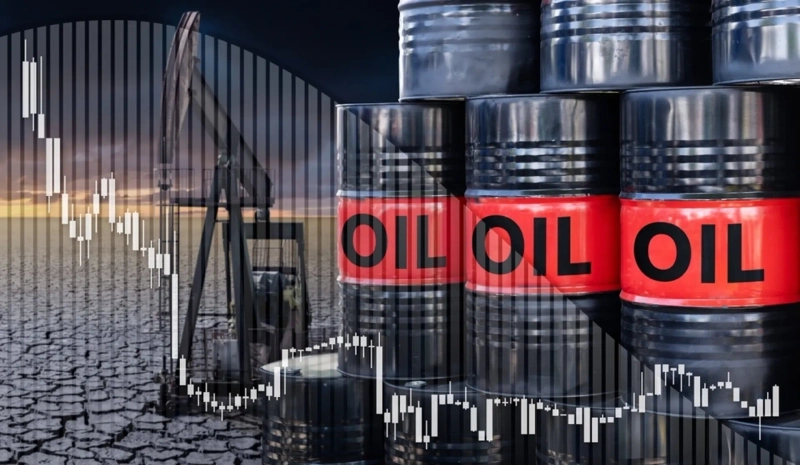
International oil prices, which had topped $110 a barrel, tumbled to the low $90s on news that vessels were passing safely through the Strait of Hormuz during the ceasefire.
On April 7, West Texas Intermediate for May delivery fell more than 16% intraday to as low as $94.47 a barrel on the New York Mercantile Exchange. Brent crude for June delivery, the global benchmark, also dropped more than 15% to $92.21. It was the first time since April 2 that both WTI and Brent futures traded below $100 intraday.
Even so, prices remain well above the low-$70 range seen before the war. Uncertainty remains, including possible transit fees for ships using the strait, prompting expectations that oil may not fall much further.
Gold futures rose more than 3% to $4,851.10 a troy ounce. Gold fell more than 11% last month, marking its biggest monthly decline in more than 40 years. The drop is attributed to investors and central banks selling bullion to secure liquidity.
The ceasefire, however, has fueled expectations that easing inflation pressure could give the Federal Reserve more room to cut interest rates. Silver also gained on similar expectations, rising more than 7% to above $77 a troy ounce.
New York-based correspondent Park Shin-young, Korea Economic Daily, nyusos@hankyung.com

Korea Economic Daily
hankyung@bloomingbit.ioThe Korea Economic Daily Global is a digital media where latest news on Korean companies, industries, and financial markets.