Stablecoins, Not Bitcoin, Emerge as Likely Option for Any Strait of Hormuz Transit Fees
Summary
- Chainalysis said Iran's Islamic Revolutionary Guard Corps is more likely to use stablecoins than Bitcoin to pay transit fees for passage through the Strait of Hormuz.
- Chainalysis said stablecoins are a more practical option for large commercial transactions because price stability and liquidity are critical.
- It said the IRGC has previously used stablecoins for oil trades, weapons procurement and fund transfers, while Bitcoin is used mainly for cyber activity such as ransomware.
Forecast Trend Report by Period


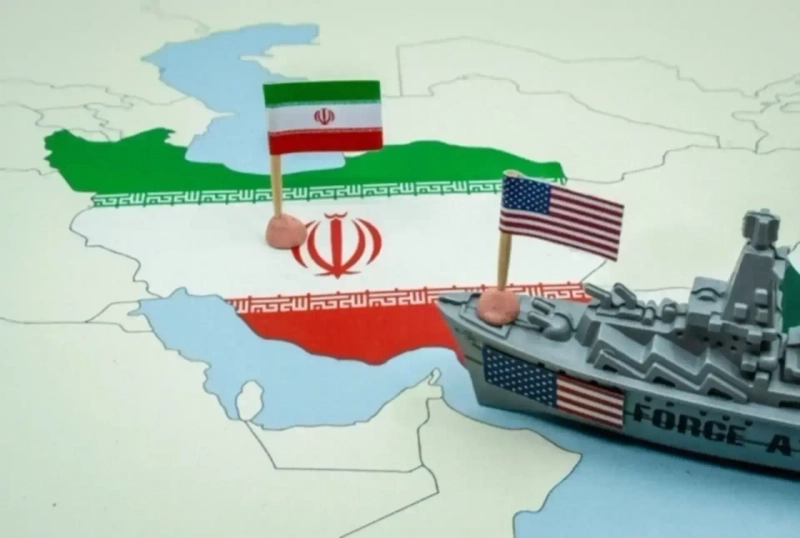
As Iran considers charging oil tankers passing through the Strait of Hormuz transit fees in cryptocurrency, stablecoins rather than Bitcoin appear to be the more likely payment method.
On June 11, BeInCrypto reported that blockchain analytics firm Chainalysis expects Iran's Islamic Revolutionary Guard Corps, or IRGC, to favor dollar-pegged stablecoins over Bitcoin if it moves to collect such fees, citing Bitcoin's sharp price swings.
A source in Iran's oil and gas export industry had earlier mentioned Bitcoin, hinting at the possibility of crypto payments. Chainalysis said stablecoins are a more practical tool for large commercial transactions, where price stability and liquidity are essential.
The IRGC has previously used stablecoins in oil trades, weapons procurement and fund transfers, according to the report. Bitcoin, by contrast, is used mainly in cyber activity such as ransomware, Chainalysis said.

Uk Jin
wook9629@bloomingbit.ioH3LLO, World! I am Uk Jin.