CFTC Reasserts Exclusive Federal Jurisdiction Over Prediction Markets
Summary
- The US CFTC again asserted exclusive federal jurisdiction over prediction markets, classifying them as derivatives.
- Citing a Third Circuit ruling, the CFTC also signaled the possibility of additional litigation to strengthen its authority over prediction-market oversight.
- The CFTC and SEC issued guidelines to distinguish the nature of digital-asset derivatives and tokens, aiming to reduce regulatory confusion when futures products are listed.
Forecast Trend Report by Period


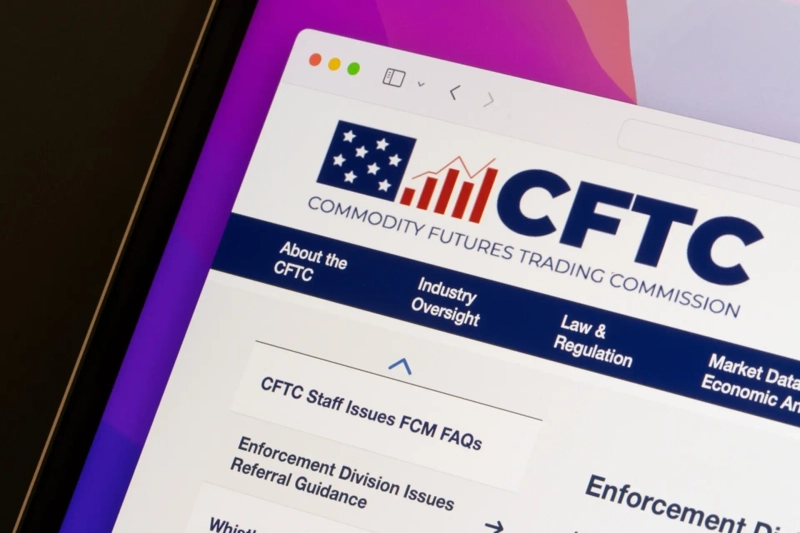
The US Commodity Futures Trading Commission has again asserted exclusive federal authority over prediction markets amid a growing dispute over who regulates them.
In an interview with CoinDesk on June 12, CFTC Commissioner Mike Selig said any product offered on a CFTC-regulated exchange falls under the agency’s jurisdiction, whether it involves sports, politics or any other subject. That means prediction markets are also derivatives subject to federal regulation.
Selig said the agency’s ongoing lawsuits against several states, including Arizona, Illinois and Connecticut, are intended to clarify the CFTC’s exclusive regulatory authority over commodity derivatives markets. The comments underscored the agency’s view that federal oversight takes precedence as states seek to curb prediction markets under gambling laws.
That position has gained support from a recent ruling by the US Court of Appeals for the Third Circuit, which backed giving the CFTC authority to oversee prediction markets. The agency also indicated it could pursue additional litigation based on that decision.
At the center of the dispute is whether prediction markets should be treated as gambling or as derivatives. The CFTC says it has authority under the Dodd-Frank Act to regulate swaps and can restrict products it deems contrary to the public interest. It also maintains that it is the body responsible for determining which products violate that standard.
At the same time, the CFTC is accelerating efforts to refine its regulatory framework for digital-asset derivatives. It recently issued guidance with the US Securities and Exchange Commission setting criteria to distinguish the nature of tokens, with the aim of reducing regulatory confusion when futures products are listed.
Selig said standards for determining whether a digital asset is a security or a commodity have become clearer, adding that the goal is to minimize regulatory conflicts between agencies.

Suehyeon Lee
shlee@bloomingbit.ioI'm reporter Suehyeon Lee, your Web3 Moderator.