Summary
- The US treasury secretary said Washington will not renew general licenses for Iranian oil and Russian oil.
- He said a blockade of the Strait of Hormuz would halt China’s purchases of Iranian oil and warned of possible secondary sanctions.
- He also said companies and governments could face secondary sanctions if they trade Iranian oil or hold Iranian funds.
Forecast Trend Report by Period


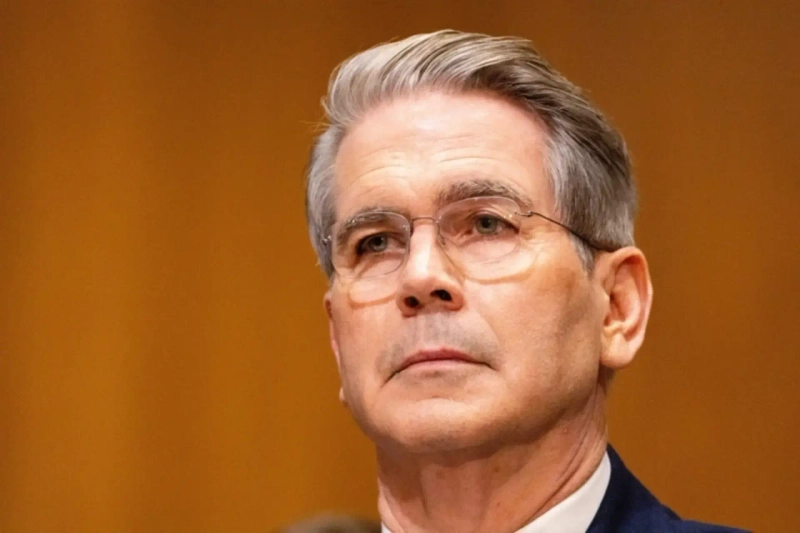
US Treasury Secretary Scott Bessent said on June 15 that Washington will not renew general licenses for Iranian and Russian oil sales, tightening economic pressure on Tehran after crude prices surged during the war involving Iran.
Speaking at a White House briefing, Bessent said, “We will not renew the general license for Russian oil, and we will not renew the general license for Iranian oil.”
The general licenses allowed temporary purchases of crude and petroleum products from countries subject to US sanctions.
The US had barred other countries from buying Russian and Iranian oil under sanctions, but temporarily eased those restrictions last month after the Middle East war drove oil prices sharply higher and created fuel supply strains in countries including India.
Washington granted a one-month extension for Russian oil on May 11. That exemption expired on June 11 and was not renewed. For Iranian oil, the US issued a 30-day sanctions waiver on May 20 and will not extend it further.
Bessent said the oil covered by the temporary sanctions relief “was all already exhausted from cargoes that had been at sea before March 11.” Asked how much Russia may have gained from the temporary easing, he said it “could be $2 billion. We don’t know.” He added that oil prices had risen to as much as $150 a barrel in other circumstances, and Russia would have earned far more in that case. “That oil was heading to China,” he said. “Whether we supplied that oil to our allies or not, we were contributing to oil price stability.”
Bessent also said a US military blockade of vessels traveling to and from Iran through the Strait of Hormuz would affect China. “China has been buying more than 90% of Iran’s oil, and that accounts for about 8% of China’s energy demand,” he said. “We believe the blockade of the strait will halt China’s purchases.”
He added that two Chinese banks had received letters from the Treasury Department, though he did not identify them. The US told the banks it was prepared to impose secondary sanctions if it could prove Iranian funds had flowed into their accounts. Secondary sanctions are penalties imposed on third parties that do business with sanctioned entities.
Bessent said the US has also notified companies and governments that they could face secondary sanctions if they buy Iranian oil or hold Iranian funds in their banking systems. “Iran should understand that this would amount to a financial blow on par with what we witnessed in our military operation,” he said.
Washington correspondent Lee Sang-eun, Hankyung.com reporter selee@hankyung.com

Korea Economic Daily
hankyung@bloomingbit.ioThe Korea Economic Daily Global is a digital media where latest news on Korean companies, industries, and financial markets.