US, Iran Said to Pursue 60-Day Truce Instead of Full Peace Deal
Summary
- The US reportedly proposed a trade-off of a 20-year suspension of uranium enrichment in exchange for the release of $20 billion in frozen funds.
- Reuters reported that Iran is reviewing a transfer of highly enriched uranium to a third country and is seeking relief from frozen assets in return for increasing the number of ships passing through the strait.
- The two sides are pursuing an interim memorandum of understanding, or MOU, built around a roughly 60-day truce instead of a comprehensive agreement, raising the possibility of an extended ceasefire.
Forecast Trend Report by Period


Uranium transfer to a third country also under discussion
Reuters says the two sides are seeking an interim accord
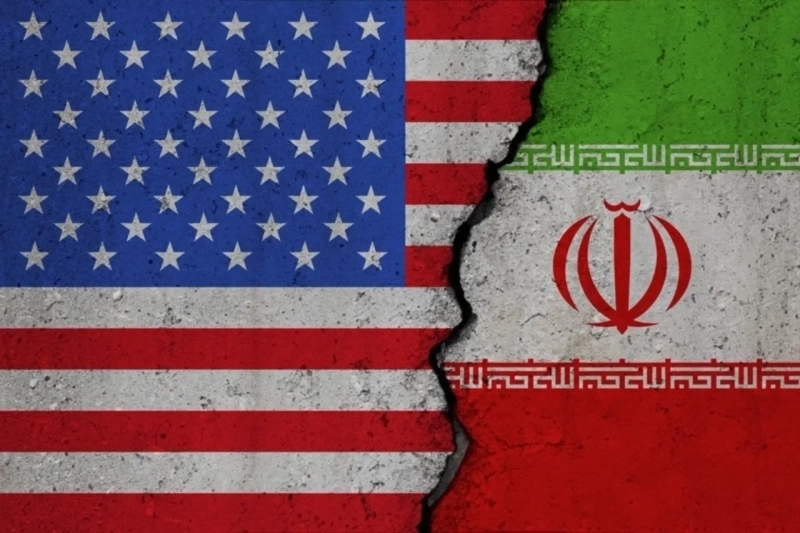
The US and Iran appear to be finding some common ground on key issues ahead of a second round of talks. That has also fueled expectations that the two sides could extend the truce and continue negotiating afterward.
On uranium enrichment and the handling of existing stockpiles, the US has reportedly softened its earlier demand for a total ban and proposed a 20-year suspension instead. Washington also is said to have offered to unfreeze $20 billion in funds in exchange for Iran giving up its enriched uranium. Iran is pushing for a five-year halt. Even so, there are signs of possible compromise. Reuters recently reported that Iran is considering transferring part of its highly enriched uranium to a third country.
Management of the Strait of Hormuz is another sticking point. Iran has proposed allowing passage only for vessels it does not regard as hostile, while charging transit fees. Reuters reported that Iran wants any agreement to include US relief from frozen assets. In return, Tehran has proposed increasing the number of ships permitted to pass through the strait.
An extension of the truce without a formal agreement is also emerging as a plausible scenario. Guy Burton, a researcher at King's College London, said the gap between the two sides looks impossible to bridge at this stage and that extending the ceasefire may be the best available outcome. Reuters also reported that the two countries' negotiators are pursuing a memorandum of understanding, or MOU, aimed at preventing renewed conflict rather than securing a comprehensive peace deal. If reached, the interim agreement would allow about 60 days of additional negotiations toward a final accord.
Conflicting signals from both sides are also clouding the outlook. President Donald Trump said Vice President JD Vance was heading to Pakistan and would arrive soon. Reuters, however, reported that Vance was still in the US, while the New York Times said he was expected to leave for Islamabad on April 21.
Iran's position is also not entirely clear. Foreign Ministry spokesman Esmail Baghaei said that, as of that moment, no plan or decision had been made on the next round of talks. Mediating countries, however, say Iran has already decided to participate and that its delegation is scheduled to head to Islamabad on April 21.
Lee Hye-in, Hankyung.com reporter hey@hankyung.com

Korea Economic Daily
hankyung@bloomingbit.ioThe Korea Economic Daily Global is a digital media where latest news on Korean companies, industries, and financial markets.