Samsung Strike Threat Triggers Rare Overseas Alarm at Peak of Chip Boom
Summary
- Foreign media said a Samsung Electronics strike could weigh on the global IT industry and South Korea's broader economy through a shock to the semiconductor supply chain and chip price volatility.
- Bloomberg said controversy is growing over whether performance bonus demands could erode funding for future investment and shareholder value, and that Samsung Electronics shareholders are prioritizing next-generation investment.
- An industry official said Samsung's strike rationale should be assessed coolly, given precedents at GM, Ford and Boeing where walkouts led to massive losses, share-price declines and disruptions to investment strategy.
Forecast Trend Report by Period


Major foreign media raise concern over possible Samsung strike
Some warn of a shock to global supply chains
Reports cite strike fallout at GM, Ford and Boeing
"A strike that could shake the economy must be judged coolly"
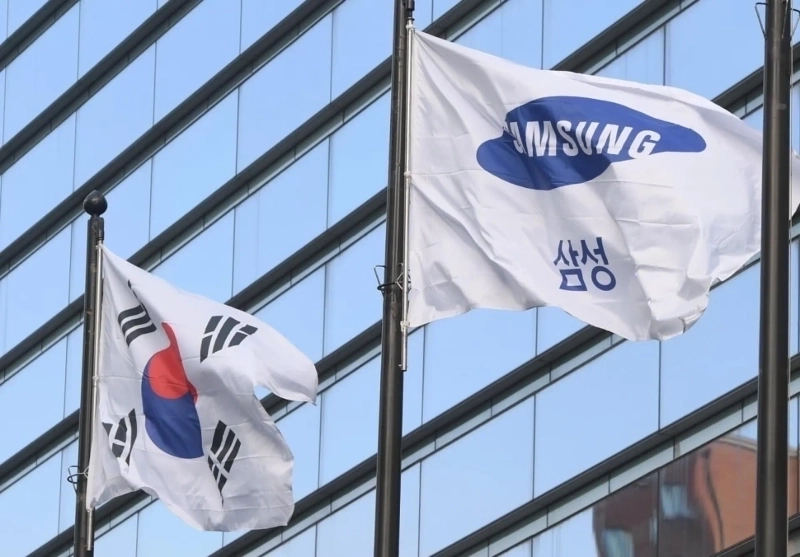
Samsung Electronics Co.'s labor union held a large rally on April 23, making a previously announced strike increasingly plausible and prompting concern across major international media. Because semiconductor production lines must effectively run around the clock, any disruption could hit not only Samsung but also the broader global information-technology industry, including AI data centers, automobiles and smartphones.
A review of foreign media coverage published April 23 shows supply-chain disruption is the central concern. Reuters described Samsung as the world's largest memory-chip maker and reported that if a strike leads to production setbacks, semiconductor bottlenecks could worsen. With supply already tight amid surging demand from AI data centers, the strain could spread to industries including automobiles, computers and smartphones.
Taiwan's DigiTimes focused on the timing. It wrote that a strike would come at a critical juncture for expanding supplies of next-generation memory such as high-bandwidth memory, or HBM, during the AI boom. The outlet warned that the impact could ripple through global supply chains tied to AI infrastructure and across South Korea's broader economy. Semiconductors account for more than one-third of the country's exports, meaning a disruption could lead to chip-price swings, lower tax revenue, damage to long-term investment plans and weaker growth momentum.
Tech publication SamMobile called it the "worst possible time," saying the risk of production disruption is rising. For Samsung, a union walkout as demand for AI memory accelerates would amount to the most burdensome scenario.
Bloomberg cast the dispute as more than a simple labor-management clash, framing it instead as a broader social debate over the distribution of profits. Its report said the dispute is intensifying over whether demands for large performance bonuses represent fair compensation or would undermine funding for future investment and shareholder value. Bloomberg also highlighted the view that Samsung shareholders see the union's demands as excessive and want capital allocated to meaningful acquisitions in chip design and next-generation investment.
Nikkei Asia reported that the dispute could affect Samsung's long-term market position. It also cited an analyst as saying the company's recent strong earnings depend more on the external tailwind of the AI boom than on Samsung's own technological strength. In that view, a labor dispute surfacing during a period of strong earnings could deepen questions about the company's long-term competitiveness.
The sensitivity of foreign media coverage also reflects previous cases in which strikes produced severe fallout at global companies.
In 2023, General Motors Co. and Ford Motor Co. saw their North American production bases paralyzed by a simultaneous strike by the United Auto Workers. Ford reportedly lost $1.3 billion and GM $1.1 billion. Their market capitalizations also fell by nearly 20%. Some assessments said their electric-vehicle investment strategies were thrown off course.
At Boeing Co., more than 30,000 US factory workers went on strike in 2024, halting production lines for its main aircraft models. The company incurred about $6 billion in losses, and its stock dropped more than 30%. The fallout also included worsening cash flow and a credit-rating downgrade.
An industry official said corporate profits should serve as the starting point for new investment needed to protect future competitiveness. The official added that it is necessary to coolly assess whether there is any justification for using a strike that could rattle the global semiconductor supply chain and the national economy as leverage to demand an excessive share.
Kim Dae-young, Hankyung.com reporter kdy@hankyung.com

Korea Economic Daily
hankyung@bloomingbit.ioThe Korea Economic Daily Global is a digital media where latest news on Korean companies, industries, and financial markets.