Iran Says First Strait of Hormuz Transit Fee Deposited at Central Bank
Summary
- Iran said Strait of Hormuz transit fees were deposited with the Central Bank of Iran for the first time.
- It said Iran’s parliament approved the introduction of a bill that would provide the legal basis for control of the Strait of Hormuz and the collection of transit fees.
- It said the bill would require ships to obtain permission and pay transit fees in Iranian rials.
Forecast Trend Report by Period


Iran Parliament Vice Speaker Says First Deposit Made at Central Bank
Amount, timing not disclosed as local media report development
Lawmakers move to codify control and require payment in rials
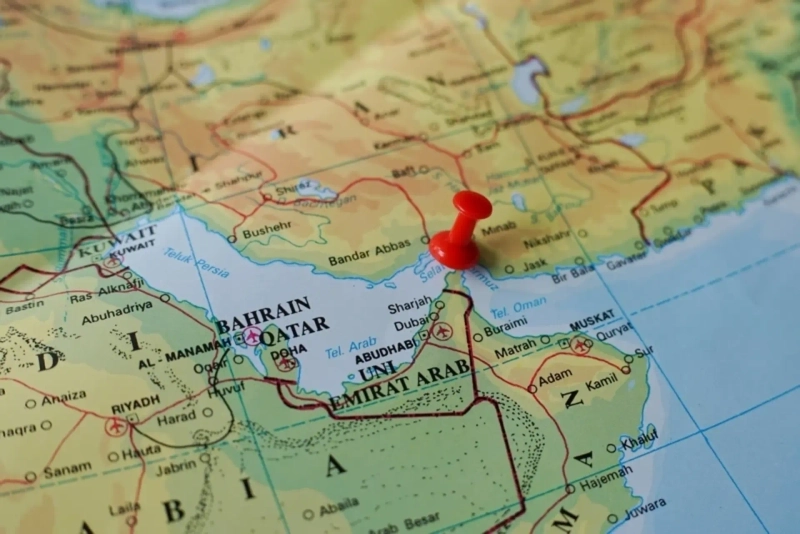
Iran has deposited Strait of Hormuz transit-fee revenue at its central bank for the first time, local media reported, in a move that points to a more formal system for controlling the waterway and collecting charges.
Press TV and other Iranian media reported on April 23 that Hamid Reza Hajji Babaei, vice speaker of Iran’s parliament, said the so-called Strait of Hormuz transit fee had been deposited with the Central Bank of Iran for the first time.
He did not disclose the amount or when the payment was made.
Iran on Feb. 28 blockaded the Strait of Hormuz by force in response to attacks by the US and Israel. The strait is one of the world’s main energy shipping routes.
It later allowed some vessels to pass at its discretion if they were from countries it did not regard as hostile or were not linked to hostile states. Local media subsequently reported that Tehran collected transit charges under the guise of security service fees.
No official fee schedule has been announced. Estimates have put the charge for oil tankers at about $1 a barrel. For very large crude carriers, some estimates put the fee at about $2 million.
Iran’s parliament is also accelerating work on the related legal framework. On April 21, the parliament’s National Security and Foreign Policy Committee approved for a plenary vote a bill that would specify Iran’s control over the Strait of Hormuz and establish a legal basis for collecting transit fees.
The bill would require vessels seeking to pass through the strait to submit documents to Iranian authorities and obtain approval. It would also require transit fees to be paid in Iranian rials.
Hong Min-seong, Hankyung.com reporter mshong@hankyung.com

Korea Economic Daily
hankyung@bloomingbit.ioThe Korea Economic Daily Global is a digital media where latest news on Korean companies, industries, and financial markets.