South Korea Diesel Prices Top 2,000 Won a Liter for First Time in 3 Years, 9 Months
Summary
- The nationwide average diesel price rose to 2,000.06 won per liter, topping 2,000 won for the first time in about three years and nine months.
- After the government raised the maximum wholesale price cap for diesel to 1,923 won per liter, gasoline and diesel prices are poised to hold around the 2,000-won mark.
- The government kept price caps on gasoline and diesel unchanged despite rising global petroleum product prices, allowing consumers to pay less for fuel while refiners will be compensated for their losses.
Forecast Trend Report by Period


Up 0.22 won from a day earlier to 2,000.06 won
Prices poised to hold around the 2,000-won mark
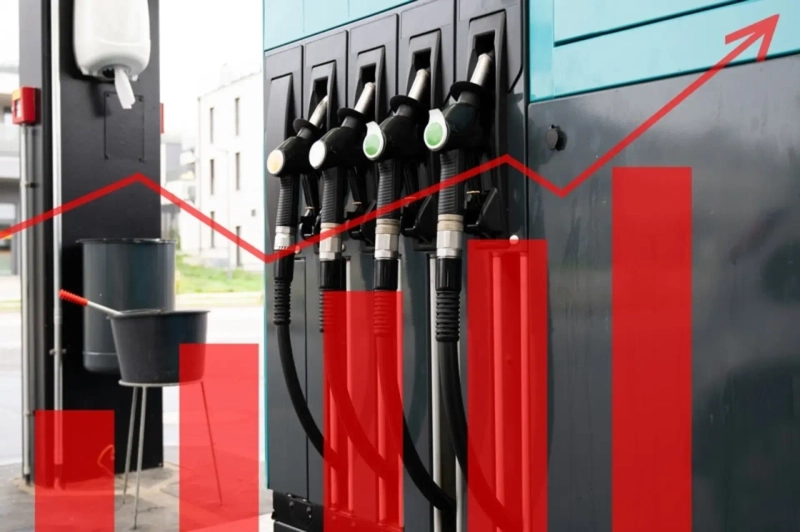
South Korea’s average diesel price has climbed above 2,000 won ($1.39) a liter for the first time in about three years and nine months. It last exceeded that level on July 27, 2022, when fuel costs jumped in the wake of Russia’s war in Ukraine and averaged 2,006.74 won a liter.
Opinet, the oil price information system operated by state-run Korea National Oil Corp., showed the nationwide average diesel price at 2,000.06 won a liter as of 9 a.m. on April 24. That was up 0.22 won from a day earlier. Seoul posted the highest regional average at 2,030.57 won a liter.
Retail prices rose after the government increased the maximum wholesale diesel price refiners can charge gas stations to 1,923 won a liter from 1,713 won on March 27. The change was reflected in pump prices with a lag. The nationwide average gasoline price, which first topped 2,000 won a liter on April 18, stood at 2,006.17 won as of 9 a.m. on April 24, up 0.41 won from the previous day.
The government also left its fourth round of maximum petroleum product prices unchanged from the third round, effective from midnight on April 24. The ceiling remains 1,934 won a liter for gasoline and 1,923 won for diesel. With those caps unchanged, gasoline and diesel prices at gas stations nationwide are poised to stay around 2,000 won a liter.
The government said it sets the maximum fuel prices after considering not only changes in international petroleum product prices, but also the broader effects on the economy and consumer prices, as well as support for energy-vulnerable households. If it had reflected only gains in global petroleum product prices, the maximum price would have been raised by an additional 125 won a liter for gasoline and 628 won for diesel. That means consumers are paying that much less for fuel. The government said it will compensate refiners for losses from selling fuel at capped prices.
Park Jong-gwan, Hankyung.com reporter, pjk@hankyung.com

Korea Economic Daily
hankyung@bloomingbit.ioThe Korea Economic Daily Global is a digital media where latest news on Korean companies, industries, and financial markets.