PiCK
Iran War Muddies Inflation Outlook as Fed, Peers Tilt Toward Holding Rates
Summary
- Major central banks are delaying further benchmark interest-rate increases and leaning toward holding rates steady.
- The ECB and the Fed are wary of both a hasty rate increase and a rate cut because of the energy price shock and uncertainty over the inflation outlook.
- The Bank of Japan is now seen as less likely to deliver the previously expected benchmark interest-rate increase, citing the Iran conflict and the burden of energy and raw-material imports.
Forecast Trend Report by Period


Fed, ECB, BOJ and BOE Set Rates This Week
"Uncertainty Over How the Shock Will Affect Growth and Inflation Has Increased"
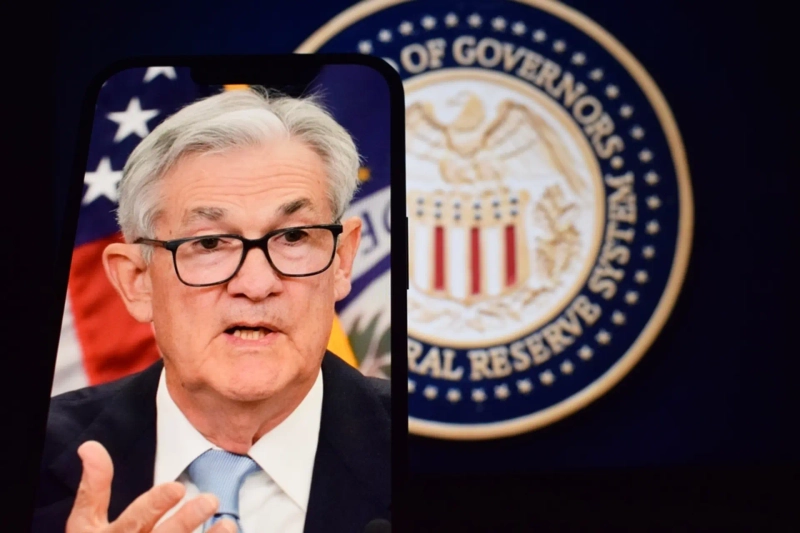
Major central banks are increasingly set to postpone further interest-rate increases this week and keep rates unchanged instead. The war involving Iran and social media posts by US President Donald Trump have fueled volatility in energy markets, making the inflation outlook harder to read.
The Federal Reserve, the European Central Bank, the Bank of Japan and the Bank of England are all scheduled to decide rates this week, the Financial Times reported on April 27. They must do so amid the second-largest energy price shock of the past five years.
The Gulf conflict has pushed monetary policymakers into uncertain territory. They are weighing geopolitical risks, unpredictable swings in commodity markets and threats to their inflation targets all at once. Central banks are also still contending with criticism that they responded too slowly during the 2021-2022 inflation surge. The FT said financial markets are pricing in the possibility of two increases this year in the ECB's benchmark rate, now at 2%.
Even so, officials at the ECB are wary of moving too quickly. Philip Lane, the ECB's chief economist, said it is hard to tell whether the latest shock is temporary or a broader hit to the European economy before the duration of the war becomes clearer. It remains uncertain whether higher energy prices will only push up inflation or also slow growth. That helps explain why the ECB may come under pressure to raise rates while still refraining from immediate action.
The Fed will announce its decision on April 29. Markets regard it as almost certain that the central bank will keep its target range at 3.5% to 3.75%. The Fed has also put aside the prospect of a rate cut until it can judge whether the Iran war will derail progress toward its 2% inflation goal or hit a US labor market that had already been weakening. With inflation and employment potentially calling for different policy responses, its room to maneuver has narrowed.
The mood has shifted at the BOJ as well. Until recently, investors had expected the Bank of Japan to raise its benchmark rate from about 0.75% this week. Now they see little chance of a hike. The uncertainty created by the Iran conflict has added to concerns over Japan's reliance on imports of energy and key raw materials for manufacturing. In a recent speech, BOJ Governor Kazuo Ueda also stopped short of signaling an April rate increase.
Kim Dong-hyun, Hankyung.com reporter 3code@hankyung.com

Korea Economic Daily
hankyung@bloomingbit.ioThe Korea Economic Daily Global is a digital media where latest news on Korean companies, industries, and financial markets.