UAE Says Iran’s Unilateral Control of Strait of Hormuz Can’t Be Trusted
Summary
- Iran said it would begin collecting transit fees from ships passing through the Strait of Hormuz and introduce new legal rules and a management system, signaling a push to strengthen its control over the waterway.
- A presidential adviser to the UAE said Iran’s unilateral control measures over the Strait of Hormuz could not be trusted, adding that freedom of navigation rests on the collective will of the international community and the provisions of international law.
- The UAE has moved to bolster security after the war by adopting Israel’s advanced laser air-defense system, Iron Beam, banning travel to countries within Iran’s sphere of influence, and declaring its withdrawal from OPEC, signaling a shift away from the Gulf regional order.
Forecast Trend Report by Period


Anwar Gargash, diplomatic adviser to the president of the United Arab Emirates, on May 1 sharply criticized Iran’s push to control the Strait of Hormuz.
In a post on X, Gargash said Iran’s unilateral move could never be trusted, accusing Tehran of carrying out “treacherous acts of aggression” against neighboring countries.
He added that the key guarantee of freedom of navigation in any discussion over the Strait of Hormuz is the collective will of the international community and the provisions of international law.
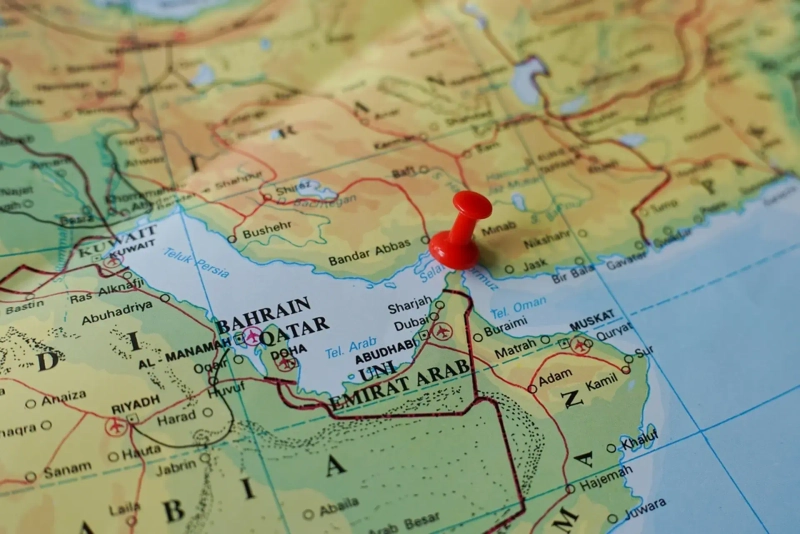
His remarks were a response to Iran’s decision to begin charging transit fees on vessels passing through the Strait of Hormuz along its coastline following the war with the US and Israel.
On April 30, Iran’s new supreme leader, Mojtaba Khamenei, said the country would implement new legal rules and a management system for the strait to block its use by hostile forces, underscoring Tehran’s determination to assert control over the waterway.
The UAE, meanwhile, has rolled out a series of security measures after suffering the heaviest damage from Iranian retaliatory missile strikes targeting US military bases in the Middle East after the war began.
The country recently adopted Israel’s advanced Iron Beam laser air-defense system and banned its citizens from traveling to neighboring countries within Iran’s sphere of influence, including Iran, Lebanon and Iraq.
The UAE, which had expressed frustration during the war over what it viewed as a muted response from neighboring states, also recently announced its withdrawal from OPEC, signaling a move away from a Saudi Arabia-centered Gulf order.
Ko Jung-sam, Hankyung.com reporter, jsk@hankyung.com

Uk Jin
wook9629@bloomingbit.ioH3LLO, World! I am Uk Jin.