US Crude Exports Hit Record 5.2 Million Barrels a Day, Up 30% Since War
Summary
- US crude exports hit a record 5.2 million barrels a day after the war, up about 30% from February.
- Traffic at the Port of Corpus Christi in Texas and the number of VLCCs heading to US ports both rose sharply, underscoring the growing importance of US crude export hubs.
- Still, US low-sulfur light crude is not a full substitute for Middle Eastern high-sulfur heavy crude, and port capacity limits export volumes.
Forecast Trend Report by Period


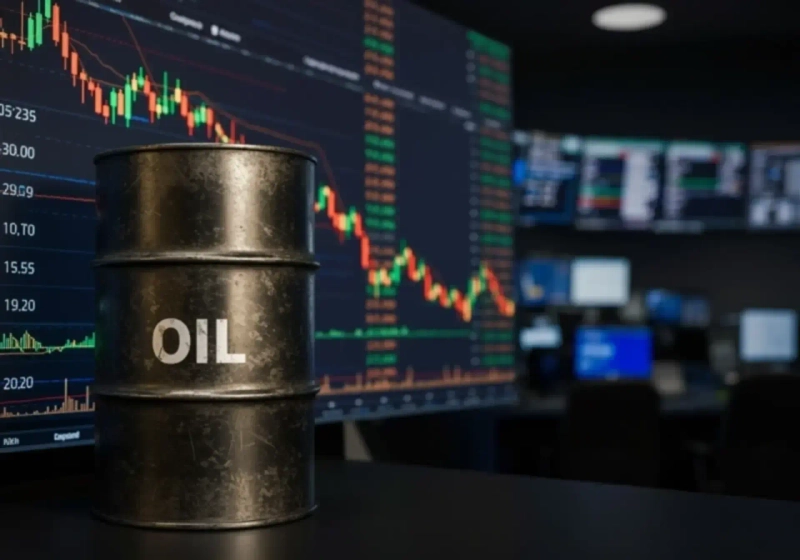
US crude exports climbed to a record as the war between the US and Iran disrupted Middle Eastern oil supplies.
Energy data firm Kpler said on May 3 that US crude exports averaged 5.2 million barrels a day last month. That was about 30% higher than the 3.9 million barrels a day recorded in February, before the war.
Traffic through the Port of Corpus Christi in Texas, which handles about half of US crude exports, also surged. A total of 240 vessels called at the port in March, up from an average of 200 before the war. CNBC reported that Corpus Christi was already the world's third-largest oil export terminal before the conflict, and its importance has increased further since the war began.
Kpler said 50 to 60 very large crude carriers, or VLCCs, are now heading to US ports each day. That is about double last year's level. A VLCC can typically carry as much as 2 million barrels of crude. Matt Smith, Kpler's lead oil analyst for the Americas, said the ships are being rerouted to the US Gulf Coast because the route through the Strait of Hormuz into the Persian Gulf has effectively been cut off.
Still, US crude may not fully replace Middle Eastern supply. The low-sulfur light crude produced in the US is not well suited to replacing the high-sulfur heavy crude from the Middle East, Smith said. Port capacity also limits how much US crude can be exported.
Han Myung-hyun, Hankyung.com reporter, wise@hankyung.com

Korea Economic Daily
hankyung@bloomingbit.ioThe Korea Economic Daily Global is a digital media where latest news on Korean companies, industries, and financial markets.