Trump Says Iran Deal Could Come Before China Trip; Pakistan Says Gaps Persist
Summary
- President Trump said the chances of an end to the Iran war and a deal being reached were very high, adding that the US position would prevail on the removal of enriched uranium and the Strait of Hormuz.
- After remarks by Iran’s Islamic Revolutionary Guard Corps, oil prices tumbled and stocks surged, but a senior Pakistani official said negotiators remain hopeful about reaching an agreement even as differences in position between the two sides persist.
- US officials and NBC said Trump’s decision to pause Project Freedom was driven by pushback from Gulf allies including Saudi Arabia and a Saudi notice denying the use of its bases and airspace.
Forecast Trend Report by Period


Report Says ‘Project Freedom’ Pause Followed Objections From Gulf Allies
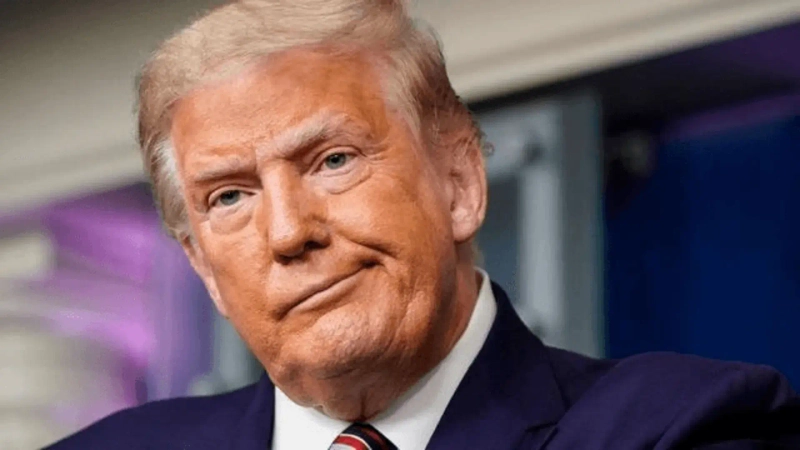
President Donald Trump said the Iran war may be nearing an end and voiced optimism that an agreement could be reached before his planned May 14-15 trip to China. In a phone interview with PBS News on May 6, Trump said, “I think there’s a very good chance the war will end. If it doesn’t, we’ll go back and bomb them heavily.”
Asked whether the conflict could be over before next week’s China visit, Trump said that was possible. “It doesn’t have to happen, but it would be ideal.” Speaking later with reporters, he said the US and Iran had held “very good talks” over the past 24 hours and that the chances of a deal were very high.
Trump Signals Optimism
Trump said he expects the US position to prevail on issues including nuclear talks, the removal of enriched uranium and the Strait of Hormuz. Axios reported earlier on May 6 that a memorandum of understanding between Washington and Tehran was close. Asked by PBS about a report that the US would take Iran’s enriched uranium, Trump replied that it was not a matter of “maybe” and that it would be brought to the US. He also said Iran would not operate its underground nuclear facilities “for a long time” and added that “we’re very close to the target.”
Iran is widely expected to be discussed at next week’s US-China summit. If the war winds down but the Strait of Hormuz is not reopened, Trump may need to seek Chinese President Xi Jinping’s cooperation on Iran. Asked whether he would raise China’s indirect support for Iran, Trump said he would, but added there would be little point if the crisis ends. On whether Chinese banks that buy and pay for Iranian crude could face sanctions, he said a deal would ease concerns because sanctions on Iran would be relaxed.
Gaps Still Remain
There are also signs Trump may be getting ahead of the negotiations. Reuters, citing sources, reported that a US proposal now under review by Iran does not clearly include key demands such as halting the nuclear program and reopening the Strait of Hormuz.
Iran’s response has been mixed. The Islamic Revolutionary Guard Corps said “safe and stable passage” through the Strait of Hormuz would be guaranteed now that threats from “the aggressor” had ended and a new process was being prepared. The comments were followed by a sharp drop in oil prices and a rally in stocks on May 6.
But Mohammad Bagher Ghalibaf, speaker of Iran’s parliament, struck a different tone. In a post on X, he mocked the process, writing: “The ‘just trust me’ operation failed. Now they’re back to the fake Axios operation.”
Iran is set to convey its position on the US proposal on May 7 through mediator Pakistan. A senior Pakistani official told Reuters that negotiators remain hopeful of reaching an agreement, but differences between the two sides persist.
Gulf Allies Pushed Back
Meanwhile, Trump’s abrupt announcement of “Project Freedom” on Truth Social on May 3, followed by a decision to pause it just 36 hours after the operation began, was reported to have been driven by objections from Gulf allies including Saudi Arabia. In that post, Trump said the pause reflected the fact that a deal with Iran was near.
NBC News, citing two unnamed US officials, reported on May 6 that Saudi officials reacted with surprise and anger to Trump’s sudden announcement. Riyadh in particular told Washington it would not allow US military aircraft to take off from bases in Saudi Arabia or pass through Saudi airspace, NBC said.
Iran has vowed to retaliate against neighboring countries including Saudi Arabia if warships are used to forcibly reopen the Strait of Hormuz, and it had already tried to attack some countries after the operation began. But the US contacted key states such as Oman and Qatar only after Trump’s social media post, according to NBC.
Lee Sang-eun, Washington correspondent, Hankyung.com, selee@hankyung.com

Korea Economic Daily
hankyung@bloomingbit.ioThe Korea Economic Daily Global is a digital media where latest news on Korean companies, industries, and financial markets.