eBay Rejects GameStop’s $56 Billion Bid, Citing Credibility Concerns
Forecast Trend Report by Period


eBay says it doubts GameStop’s financing
Market questions whether GameStop can buy a company four times its size
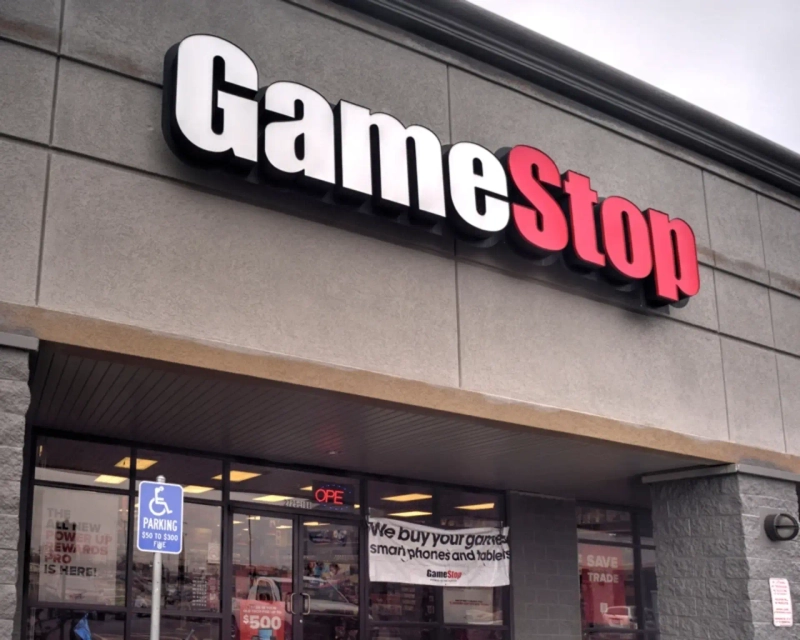
eBay rejected GameStop’s $56 billion takeover proposal, dismissing an approach from a company with a market value only about a quarter of its own. The decision reflects doubts about GameStop’s ability to finance the deal and eBay’s view that it does not need to be acquired as its turnaround gains traction under current management.
On May 12, eBay Chairman Paul Pressler said the company had concluded the proposal was “neither credible nor attractive.” He added that eBay’s board is confident the company is well positioned to continue pursuing sustainable growth under the current management team.
Analysts and investors had questioned whether GameStop, with a market value of about $12 billion, could pull off a half-cash, half-stock bid for a company nearly four times larger.
eBay shares traded around $107 in U.S. premarket trading that day, far below the $125-a-share offer price proposed earlier in May. GameStop fell nearly 4%.
Given Chief Executive Officer Ryan Cohen’s style, the rejection could still lead to a hostile bid. Cohen has said he is willing to take the offer directly to eBay shareholders, including by calling a special shareholder meeting.
Cohen has argued that combining GameStop and eBay would cut costs, create synergies and build a much larger company.
He has also said that applying GameStop’s cost-cutting policies and using 600 U.S. stores as a physical network would boost eBay’s profitability and strengthen its ability to compete with Amazon.
Even so, the proposal has drawn attention from U.S. retail investors. Cohen is regarded as a hero by many individual traders after helping steer GameStop through the 2021 short squeeze that dealt heavy losses to hedge funds such as Melvin Capital.
The offer has also unsettled some GameStop investors. Michael Burry, who became widely known through “The Big Short,” warned that the proposal would saddle GameStop with heavy debt and dilute shareholders. He sold his GameStop stake after the bid was made.
While both eBay and GameStop sell collectibles such as trading cards, their core businesses are different. eBay runs an inventory-light marketplace that connects buyers and sellers online and collects commissions, while GameStop buys goods wholesale and resells them through physical stores.
Wall Street expressed surprise and skepticism from the outset, doubting that GameStop could acquire a company four times its size.
In an earlier CNBC interview, Cohen, wearing a black leather jacket and T-shirt, did not explain in detail how GameStop would finance the roughly $56 billion acquisition. Pressed with repeated questions, he said the consideration would be paid in cash and stock. His terse replies were met at times with awkward silence in the studio.
Cohen also sent a letter to eBay’s board saying he would serve as chief executive of the combined company and accept no salary, cash bonus or severance.
The 40-year-old billionaire built his reputation and fortune after co-founding and selling online pet-food retailer Chewy, then making a bold investment in GameStop when the company’s market value was $250 million.
Kim Jung-a, guest reporter, Hankyung.com, kja@hankyung.com

Korea Economic Daily
hankyung@bloomingbit.ioThe Korea Economic Daily Global is a digital media where latest news on Korean companies, industries, and financial markets.