US Stocks Fall as Oil Tops $101 and April CPI Sparks Bond Selloff
Forecast Trend Report by Period


April CPI report intensifies bond selling
Korean stocks feel the impact as semiconductor shares turn lower
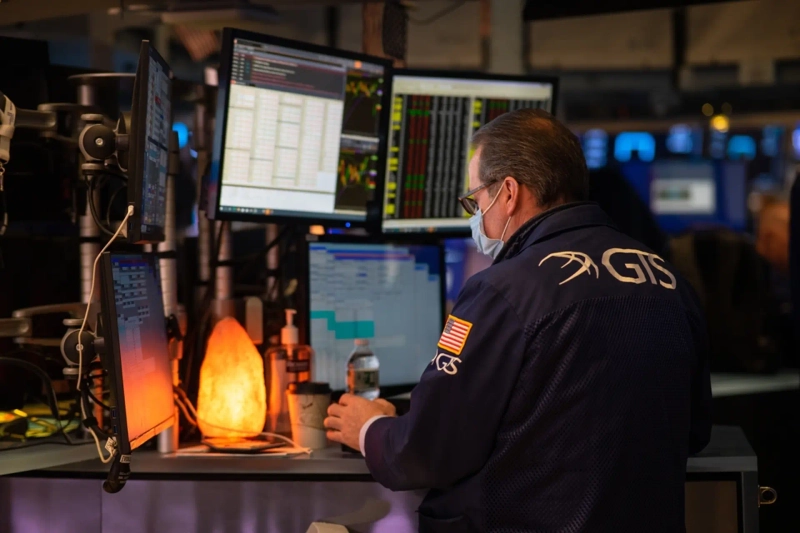
US stocks fell on May 12 as higher oil prices and the April consumer price report triggered selling in both equities and bonds.
Inflation concerns resurfaced after US crude climbed above $101 a barrel. West Texas Intermediate crude for June delivery rose 3.7% to $101.80 a barrel. Brent crude for July delivery, the international benchmark, traded at $107.82.
The two-year Treasury yield rose 4 basis points to 3.994%, approaching its highest level since June 2025.
The S&P 500, which closed at a record high a day earlier, was down 0.7% at 10:40 a.m. in New York. The Nasdaq came under pressure as Asian semiconductor shares, including in South Korea, weakened after acting as a barometer for the AI trade. The Nasdaq Composite fell 1.1%, while the Dow Jones Industrial Average dropped 0.6%.
Semiconductor stocks that had led the recent rally also turned lower. Nvidia fell 0.3% and Micron Technology slid nearly 6%. The move reflected higher oil prices and signs in the CPI report that rising energy costs and supply disruptions linked to the war in Iran were feeding into inflation.
US inflation accelerated last month as higher gasoline and food prices outpaced wage growth, adding to the strain on already squeezed consumers. The consumer price index rose 3.8% from a year earlier, the highest reading since 2023. Core CPI, which excludes food and energy, increased 2.8%.
Chicago Fed President Austan Goolsbee said the inflation data showed broad price pressures across the US economy and could signal overheating. In an interview with NPR, he said the US faces an inflation problem that must be brought down.
Ellen Zentner of Morgan Stanley Investment Management said the rise in core CPI suggests higher energy prices are affecting the broader economy. It does not mean the Fed is about to pivot back to rate hikes. But it does reinforce the view that even under new Fed leadership, an immediate shift to easier monetary policy is unlikely.
Chris Zaccarelli of Northlight Asset Management said the chances of a Fed rate cut any time soon are very low. Stocks do not need rate cuts to keep rising, he added, but corporate earnings matter more right now in driving the market.
Still, investors had already priced in the possibility of rate cuts in 2026 before the report was released, Tim Urbanowicz of Goldman Sachs Asset Management's Innovator ETF business said. As long as the 10-year Treasury yield remains below 4.5%, he added, the impact on equities is unlikely to be severe.
Kim Jung-a, contributing reporter, Hankyung.com, kja@hankyung.com

Korea Economic Daily
hankyung@bloomingbit.ioThe Korea Economic Daily Global is a digital media where latest news on Korean companies, industries, and financial markets.