CME, ICE Urge US Regulators to Curb Hyperliquid Over Commodity Market Risks
Summary
- Intercontinental Exchange ICE and the Chicago Mercantile Exchange CME have urged US regulators to tighten oversight of Hyperliquid (HYPE).
- They said Hyperliquid’s on-chain derivatives raise the risk of insider trading and price manipulation and could disrupt the crude oil and natural gas markets.
- Tensions are rising around HIP-3, introduced in January, which allows anyone to open a perpetual futures market by depositing 500,000 HYPE.
Forecast Trend Report by Period


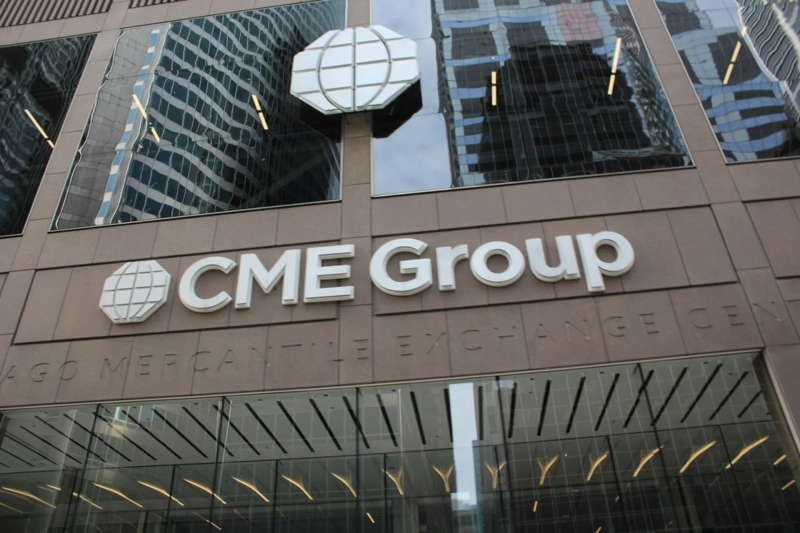
Intercontinental Exchange and CME Group are pressing US regulators to slow Hyperliquid’s expansion into commodity markets.
Cointelegraph reported on May 15 that senior ICE and CME officials said Hyperliquid’s on-chain derivatives raise the risk of insider trading and price manipulation. The push marks a direct call from institutions that dominate traditional finance for tighter oversight of a growing blockchain platform.
The officials cited Hyperliquid’s anonymity and lack of regulation as the biggest risks. Unlike heavily regulated traditional markets, the platform could be used by certain countries or actors to exploit regulatory gaps and evade global sanctions, they said. That could disrupt key energy markets such as crude oil and natural gas.
At the center of the dispute is HIP-3, a feature Hyperliquid introduced in January. The system allows anyone to launch a perpetual futures market by depositing 500,000 HYPE. That effectively opens derivatives design, long controlled by major exchanges, to ordinary users.

Doohyun Hwang
cow5361@bloomingbit.ioKEEP CALM AND HODL🍀