Iran’s PGSA Says US Sanctions Prove Its Success, Rejects Loss of Hormuz Control
Summary
- The US Treasury said it added PGSA to the Specially Designated Nationals (SDN) list.
- OFAC said shipping companies must not pay transit fees to PGSA in any form, including cash, in-kind transfers, virtual assets (cryptocurrencies), or evasive transactions.
- Individuals or companies that do business with PGSA could also face secondary sanctions.
Forecast Trend Report by Period


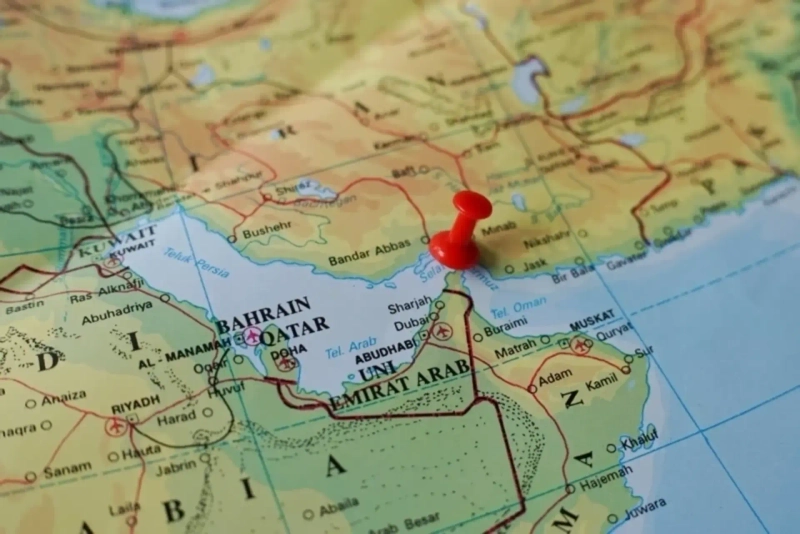
Iran’s Persian Gulf Strait Authority, or PGSA, a body established to manage the Strait of Hormuz, pushed back against US sanctions and said the move was evidence of its own success.
In a post on X on May 30, the agency said the US Treasury had recently announced sanctions on PGSA. It condemned the measure and said being sanctioned by a country “whose president is proud of piracy” was instead a sign of positive achievement.
The agency added that the US had failed to gain control over the Strait of Hormuz on the battlefield or through diplomacy, and would not do so through sanctions.
PGSA also said it has continued screening non-hostile vessels and issuing transit permits without interruption to keep traffic flowing smoothly, despite what it described as US steps that are escalating tensions in the Persian Gulf and the Gulf of Oman.
On May 27, the Treasury Department’s Office of Foreign Assets Control, or OFAC, added PGSA to its Specially Designated Nationals, or SDN, list. OFAC said PGSA was established to collect transit fees from vessels passing through the Strait of Hormuz and is linked to Iran’s Islamic Revolutionary Guard Corps, or IRGC.
OFAC also warned that shipping companies must not pay transit fees to PGSA in any form, including cash, in-kind transfers, virtual assets, or evasive transactions. Individuals or companies that do business with PGSA could also face secondary sanctions, it said.

Uk Jin
wook9629@bloomingbit.ioH3LLO, World! I am Uk Jin.