PiCK
Evernorth CEO Says Era of Simply Hoarding Crypto Is Over, Pitches Tokenization to Bring In Institutions
Summary
- CEO Asheesh Birla said the company will pursue a second-generation DAT model that generates returns from held assets using digital asset treasuries, real-world assets (RWAs) and XRP.
- Evernode said it plans to generate returns through lending, liquidity provision and asset management in DeFi built on the XRP Ledger (XRPL), while leveraging the fast-growing tokenized asset ecosystem.
- Birla identified South Korea as Evernode's core strategic market and said the company will push ahead with a US stock-market listing, the establishment of a Korean unit, plans for a local stock-market listing, and expanded cooperation with financial institutions on tokenization and stablecoins.
Forecast Trend Report by Period


Interview With Evernorth CEO Asheesh Birla
"DAT Industry Is Being Reshaped, New Revenue Models Are Needed"
"We Will Support Growth of the XRPL Tokenization Ecosystem"
"Korea's Financial Industry Is Already Preparing for the Tokenization Era"
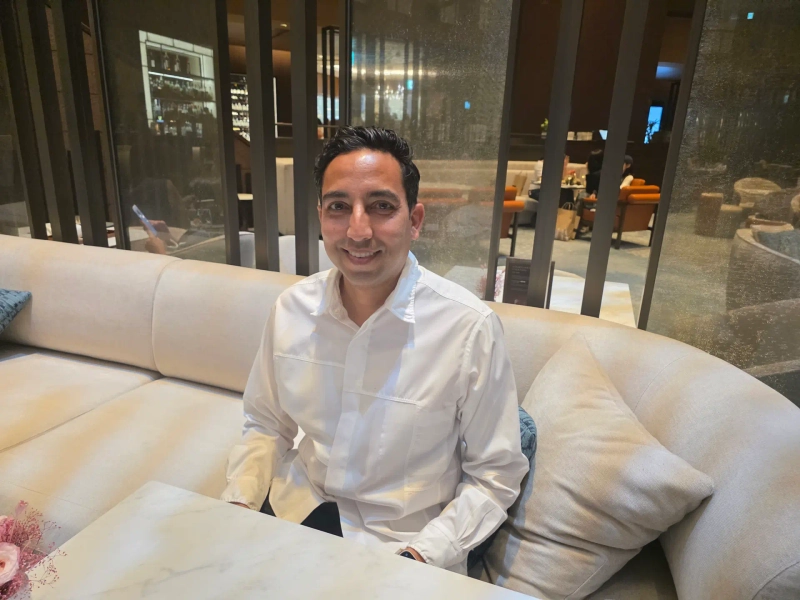
"Digital asset treasury, or DAT, companies face limits if they simply stockpile cryptocurrencies. What matters now is finding ways to generate returns from those holdings. Evernorth chose real-world assets, or RWAs, as the starting point."
Asheesh Birla, chief executive officer of Evernorth, made the remarks in an interview with Bloomingbit on June 10. Evernorth is a company that strategically accumulates XRP.
Evernorth had initially aimed to list in the US in the first quarter through a merger with special purpose acquisition company Armada Acquisition Corp. II, but it has yet to receive approval. Birla said the company chose "a transparent and clean structure" even if the process takes longer. He added that Evernorth recently filed an amended S-4 with the US Securities and Exchange Commission and the filing is under review.
Bloomingbit asked Birla about Evernorth's future direction and its strategy to enhance XRP's value.
"Hoarding Alone Isn't Enough": Tokenization as the Next Model
Birla said the DAT industry has reached a turning point. First-generation DAT companies relied on gains in digital-asset prices, he said. Now a second generation is emerging, built on generating returns from digital assets already on the balance sheet. Evernorth, he said, wants to become an XRP-based financial company rather than a simple treasury vehicle.
The area drawing the most attention is tokenized real-world assets. Evernorth's first business is likely to center on decentralized finance using XRP, particularly RWAs, according to Birla. RWAs are financial products that tokenize assets such as stocks, artwork and money-market funds using blockchain technology. Industry estimates put the global RWA market at about $30 billion.
Evernorth is focusing on RWAs because they offer a way to build a revenue model around the XRP it has already accumulated. The company is reviewing ways to generate returns through lending, liquidity provision and asset management on decentralized finance protocols built on the XRP Ledger, or XRPL.
"As more assets and liquidity enter the XRP Ledger ecosystem, the opportunity to use XRP in financial activities such as lending and liquidity provision also grows," Birla said.
"XRPL Is Suited for Tokenization"
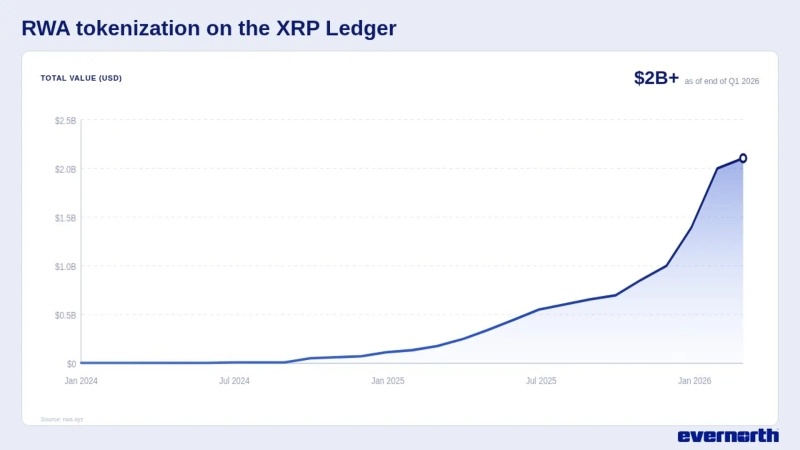
Birla described the XRP Ledger as one of the most competitive blockchains in the tokenization market. He said the network was designed from the outset with the tokenization of financial assets in mind. Because tokenization functions are available natively, transactions are fast and costs are low.
Tokenized assets on XRPL now total about $2 billion, he said. That compares with less than $1 billion last year, indicating rapid growth.
Traditional financial institutions are also increasing their participation. Birla said Guggenheim Partners has tokenized commercial paper on XRPL, while Franklin Templeton is working on a tokenized money-market fund project.
"Korea Will Enter the Tokenization Era Once Regulation Opens Up"
Birla said South Korea is a core strategic market for Evernorth. Korea is one of the strongest markets for XRP demand globally, he said. After completing its US listing process, the company plans to step up its push into the Korean market. Evernorth has previously disclosed plans to establish a Korean unit and pursue a local stock-market listing.
He also expressed optimism about Korea's tokenization market. Birla said he has held multiple discussions with Korean financial institutions and found considerable interest in stablecoins and tokenization. In his view, those institutions are closely watching moves by global financial firms as they prepare to enter the market.
Birla said regulatory development could be the starting point for fostering Korea's tokenization industry. If the CLARITY Act now under discussion in the US is passed, digital-asset regulation will begin to ease globally, he said. Korea could also see tokenization activity gather pace as it starts to build out its regulatory framework.

Uk Jin
wook9629@bloomingbit.ioH3LLO, World! I am Uk Jin.