Goldman Says Hormuz Oil Flows May Stabilize at 70% of Prewar Levels
Summary
- Goldman Sachs said oil flows through the Strait of Hormuz could form a new equilibrium at about 70% of prewar levels.
- Goldman Sachs said an additional 13 million barrels a day returning from current levels would effectively mark normalization, with shipping volumes recovering by the end of next month and Gulf oil producers' output returning to normal by October.
- Goldman Sachs said Saudi Arabia, the UAE and Iraq may keep alternative export infrastructure in place and reduce reliance on Hormuz, while related plans are also advancing in the UAE and Kuwait.
Forecast Trend Report by Period


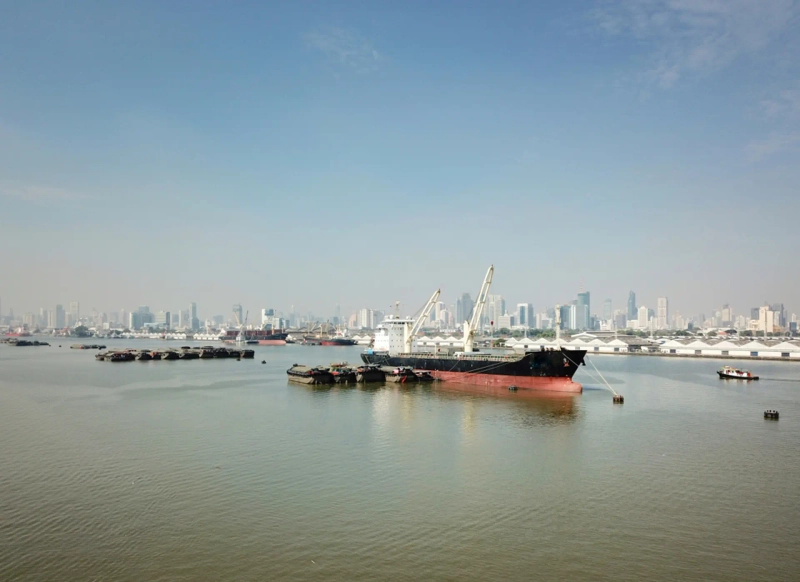
Expectations are rising that oil shipments through the Strait of Hormuz will normalize after the U.S.-Iran ceasefire, but traffic may not fully return to prewar levels.
Goldman Sachs said in a report, according to Bloomberg on June 18, that crude flows through the strait could settle into a new equilibrium at about 70% of the volume seen before the war.
The bank said an additional 13 million barrels a day of supply returning from current levels would amount to effective normalization. It projects shipping volumes will recover by the end of next month, while oil output in Gulf producing countries will return to normal by October.
The International Energy Agency said about 20 million barrels a day of crude and petroleum products passed through the Strait of Hormuz before the war. Traffic then dropped sharply after the U.S. and Iran imposed reciprocal blockade measures. Expectations for a recovery grew after the two countries agreed to a ceasefire and to reopen the waterway.
A key variable is that major producers including Saudi Arabia, the United Arab Emirates and Iraq actively used export routes that bypass Hormuz during the war. Saudi Arabia increased pipeline operations linked to the Red Sea port of Yanbu, the UAE used the port of Fujairah, and Iraq boosted exports through the Turkish port of Ceyhan.
Goldman said visible crude flows through Hormuz currently total just 1.3 million barrels a day, while exports via Yanbu on the Red Sea, Fujairah and Ceyhan amount to 7.5 million barrels a day. Some producers therefore may keep using those alternative export networks and further reduce their reliance on Hormuz.
The UAE recently announced plans to expand ports on its eastern coast, saying it aims to cut its dependence on Hormuz to virtually zero. Kuwait is also discussing ways to use pipeline networks in Saudi Arabia and the UAE.

Suehyeon Lee
shlee@bloomingbit.ioI'm reporter Suehyeon Lee, your Web3 Moderator.