Oil Steadies as US-Iran Talks Advance, Oversupply Risks Loom
Summary
- Oil prices were steady as progress in US-Iran talks and moves to normalize crude shipments through the Strait of Hormuz came into focus.
- Goldman Sachs and Morgan Stanley said the risk of oversupply and weaker oil prices is rising as Strait of Hormuz logistics normalize, US supply increases, and China’s demand slows.
- As Iran’s crude exports of more than 40 million barrels and Russia’s record crude exports boost floating inventories, geopolitical uncertainty is persisting because of Iran’s stance on control of the strait and unresolved issues including nuclear talks.
Forecast Trend Report by Period


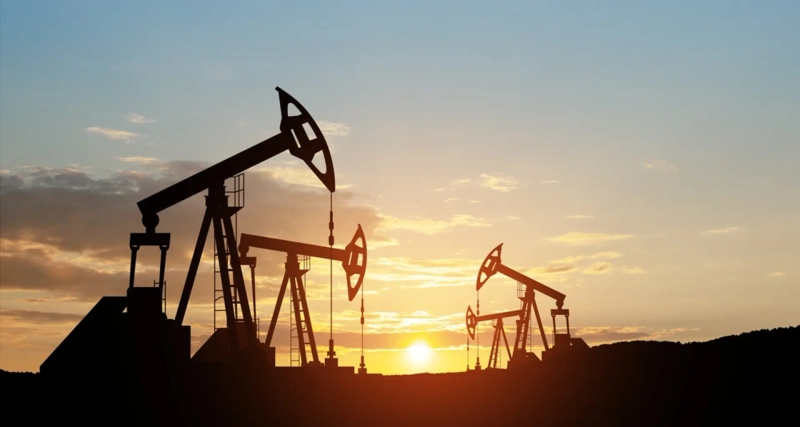
Oil steadied as traders tracked progress in US-Iran talks and signs that crude shipments through the Strait of Hormuz are returning to normal.
On July 30, Bloomberg reported that West Texas Intermediate traded near $70 a barrel, while Brent settled below $73.
The US and Iran are continuing negotiations in Doha, Qatar, as both sides work to ease tensions around the Strait of Hormuz. Tanker traffic, which briefly slowed after recent military clashes between the two countries, is gradually recovering.
The market is placing more weight on the risk of oversupply than on geopolitical threats.
Samantha Dart, co-head of global commodities research at Goldman Sachs, said logistics through the Strait of Hormuz should normalize by the end of July. If shipments recover fully, the oil market could move into oversupply.
Morgan Stanley has also lowered its oil-price forecasts twice in about the past two weeks. The bank cited a faster-than-expected recovery in crude flows through the Strait of Hormuz, rising US supply and slowing demand in China as factors increasing the risk of oversupply.
Supply-side pressures are also building. Iran said it had exported more than 40 million barrels of crude after the US lifted its maritime blockade. Russian crude exports have also risen to a record level, driving a rapid increase in floating inventories.
Still, Iran reaffirmed that it will retain authority over maritime traffic control in the Strait of Hormuz. Traders also expect geopolitical uncertainty to persist during the ceasefire, with major issues including nuclear negotiations and the situation in Lebanon still unresolved.

Suehyeon Lee
shlee@bloomingbit.ioI'm reporter Suehyeon Lee, your Web3 Moderator.