Oil Falls as Hormuz Shipments Normalize and OPEC+ Agrees Output Increase
Summary
- Global oil prices fell as crude shipments through the Strait of Hormuz normalized and OPEC+ agreed to raise output.
- Citigroup said Brent crude prices could fall to around $60 a barrel by year-end.
- Brent and Dubai crude futures have shifted into a contango structure, while spot prices are trading below futures.
Forecast Trend Report by Period


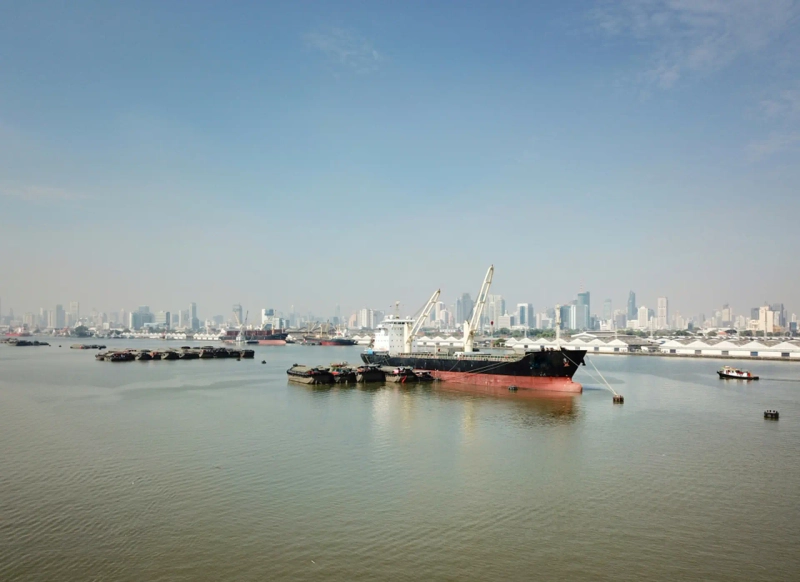
Oil fell as crude shipments through the Strait of Hormuz returned to normal and OPEC+ agreed to raise output.
Bloomberg reported on July 5 that Brent crude slipped below $72 a barrel, while West Texas Intermediate fell to about $68.
Crude and liquefied natural gas shipments through the Strait of Hormuz are gradually normalizing along routes protected by the US. Some tankers abruptly turned back or chose alternative routes last weekend, but signs of a recovery in traffic emerged from Sunday.
Expectations of higher supply also weighed on prices. Seven OPEC+ members led by Saudi Arabia and Russia agreed to raise output by an additional 188,000 barrels a day starting next month. The move is part of a gradual rollback of production cuts put in place several years ago. It does not immediately translate into a supply increase, but it underscores the group's willingness to boost output as tensions in the Middle East ease.
Brent has slumped about 30% in the second quarter since the US and Iran reached a temporary peace agreement. Crude shipments through the Strait of Hormuz are also recovering quickly.
Wall Street is also raising the prospect of further declines in oil prices. Citigroup projected that Brent could fall to around $60 a barrel by year-end.
Major oil producers in the Middle East are also accelerating output increases. Saudi Arabia's crude exports have already neared pre-conflict levels, and the United Arab Emirates, which left OPEC during the conflict, has also normalized exports.
The market is also showing signs that supply is beginning to outpace demand. Brent and Dubai crude futures have shifted into contango, with near-term contracts trading below later-dated ones. Spot crude prices are also trading below futures prices.
Meanwhile, a state funeral began in Iran over the weekend for Supreme Leader Ayatollah Ali Khamenei, who was killed in US and Israeli airstrikes. It was the first large-scale funeral ceremony since armed conflict between the US, Israel and Iran broke out in late February.

Suehyeon Lee
shlee@bloomingbit.ioI'm reporter Suehyeon Lee, your Web3 Moderator.