JPMorgan Cuts Yuan Longs, Sees Won as Asia’s Surprise Gainer by 2027
Summary
- JPMorgan Asset Management is cutting long positions in the yuan against the dollar and raising exposure to higher-yielding currencies such as the South Korean won and the Philippine peso.
- Callegari said the won, one of Asia’s laggards this year, could post the biggest rebound heading into 2027 and emerge as a leading beneficiary.
- JPMorgan said the yuan could strengthen to 6.5 per dollar by year-end after a pullback, but for now high-yielding currencies such as the Philippine peso and Mexican peso offer stronger investment appeal.
Forecast Trend Report by Period


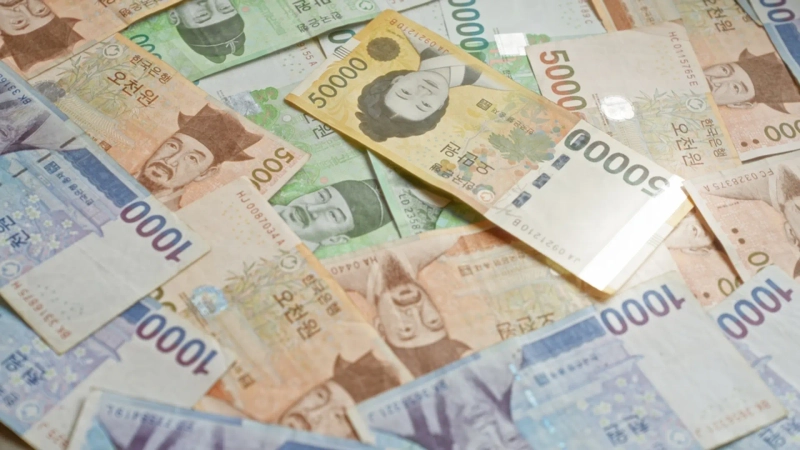
JPMorgan Asset Management is cutting long yuan positions against the dollar and raising exposure to higher-yielding currencies such as the South Korean won and Philippine peso.
Bloomberg reported on July 7 that the firm, which manages $4.3 trillion in assets, has reduced its long yuan positions in recent weeks. Julio Callegari, chief investment officer for Asian fixed income, said the won — one of Asia’s weakest currencies this year — could stage the biggest rebound heading into 2027.
JPMorgan expects the yuan’s rally to lose momentum for now and the currency to trade in a range, with much of its appreciation already behind it.
“If dollar weakness continues, the yuan will also rise, but other Asian currencies could gain more,” Callegari said. “The yuan may underperform other currencies in the China Foreign Exchange Trade System, or CFETS, basket.”
The yuan has gained about 3% against the dollar this year, the best performance among major Asian currencies. It has also climbed to its highest level in about four years on the CFETS yuan index.
JPMorgan said the yuan could strengthen to 6.5 per dollar by year-end after a pullback, supported by dollar weakness and China’s solid trade balance. For now, however, it views high-yielding currencies such as the Philippine peso and Mexican peso as more attractive investments.
The firm also said undervalued Asian currencies could be repriced if a shift in Federal Reserve policy coincides with a correction in U.S. stocks, with the won seen as a key beneficiary.

Suehyeon Lee
shlee@bloomingbit.ioI'm reporter Suehyeon Lee, your Web3 Moderator.