Oil Jumps as US Launches Second Day of Iran Strikes, WTI Tops $75
Summary
- The US said international oil prices surged after it carried out airstrikes against Iran for a second straight day.
- The market sees potential disruption to traffic through the Strait of Hormuz as the key variable for any further rise in oil prices.
- Analysts said a collapse of the temporary US-Iran peace agreement would increase the risk of oil supply disruptions and halt the supply recovery.
Forecast Trend Report by Period


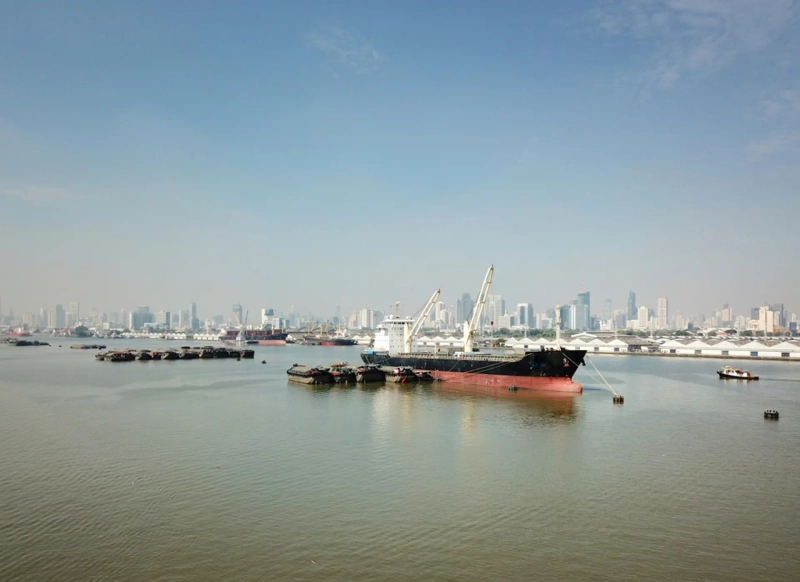
International oil prices surged after the US launched airstrikes against Iran for a second straight day, renewing concerns over energy supply disruptions in the Middle East.
According to Bloomberg, West Texas Intermediate rose as much as 2.2% intraday on July 8, climbing above $75 a barrel. That followed a gain of more than 4% the previous day. Brent crude also finished trading near $78 a barrel.
US Central Command said it had begun additional strikes to weaken Iran's ability to threaten freedom of navigation through the Strait of Hormuz. Iran responded by signaling a large-scale retaliatory operation targeting US military bases in the region.
President Donald Trump said the previous day that a temporary peace agreement with Iran had ended and raised the possibility of resuming a blockade of Iranian ports. He also warned that oil prices could rise further and suggested Kharg Island, Iran's main oil export hub, could be among the strike targets.
In a social media post, Trump called the latest attack retaliation for Iranian attacks on ships. He added that "if this happens again, the situation will become far more serious."
The market is focused on whether shipping through the Strait of Hormuz will be disrupted. Scott Shelton, an analyst at TP ICAP, said oil prices could rise by about $10 more if the waterway is shut again. If crude flows continue, however, prices are unlikely to move much higher from current levels.
Henry Hoffman, co-portfolio manager at Catalyst Energy Infrastructure Fund, said the Strait of Hormuz has never fully reopened in a completely normal way. He said the latest conflict could trigger additional production outages.
Analysts at ANZ Group said developments over the past 48 hours had intensified concern that oil supply disruptions could resume if the temporary peace agreement between the US and Iran collapses. They added that as Iran moves to tighten control again, the risk is rising that the recovery in supply will stall.

Suehyeon Lee
shlee@bloomingbit.ioI'm reporter Suehyeon Lee, your Web3 Moderator.