Strait of Hormuz Shipping Slumps as US-Iran Clashes Stoke Energy Supply Fears
Forecast Trend Report by Period


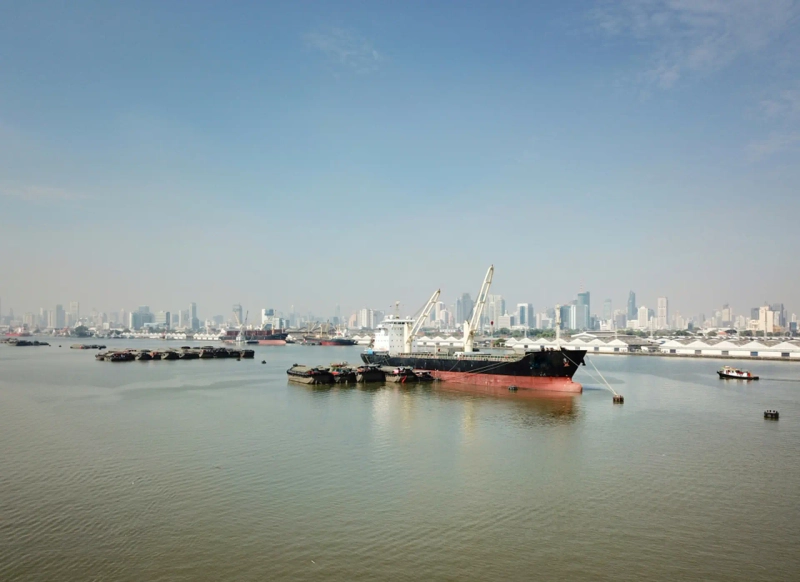
Shipping through the Strait of Hormuz, a vital chokepoint for global crude flows, has dropped sharply as military clashes between the US and Iran intensify.
Bloomberg reported on July 9 that vessel traffic through the strait had fallen to near-halt levels that day. Tensions escalated after the US launched airstrikes on Iran for a second straight day and a temporary ceasefire between the two countries effectively unraveled.
Ship-tracking data cited by Bloomberg showed most sailings took place on the northern channel approved by Iran, while the Oman-side route backed by the US was barely used.
Among larger ships, one very large crude carrier subject to US sanctions was seen leaving the Persian Gulf. An Iranian container ship was also operating. Some vessels may also have traveled with their Automatic Identification System, or AIS, turned off.
The drop in traffic followed US airstrikes launched in response to recent Iranian attacks on commercial vessels. President Donald Trump also declared that the temporary ceasefire with Iran had ended, further heightening tensions.
A total of 14 commodity carriers transited the Strait of Hormuz in both directions on July 8. That was the lowest level since the US and Iran reached a temporary agreement in mid-June.
According to Kpler, commodity carriers averaged 34 crossings a day over the past three weeks after the two countries agreed to reopen the Strait of Hormuz. The total had climbed to 59 on June 24, but the latest clashes have raised the possibility that traffic could fall back below 20 vessels a day, a wartime level.

Suehyeon Lee
shlee@bloomingbit.ioI'm reporter Suehyeon Lee, your Web3 Moderator.