Oil Holds Near One-Month High as US Restarts Iran Maritime Blockade
Summary
- International oil prices traded at their highest level in a month after the US resumed its maritime blockade of Iran.
- WTI climbed to nearly $80 a barrel after surging about 11% in the first two days of this week, while Brent crude also finished trading near $85 a barrel.
- Ship traffic has effectively stopped amid rising tensions around the Strait of Hormuz and persistent concerns over oil supply disruptions, while the burden on the shipping industry has eased somewhat after the transit-fee plan was withdrawn.
Forecast Trend Report by Period


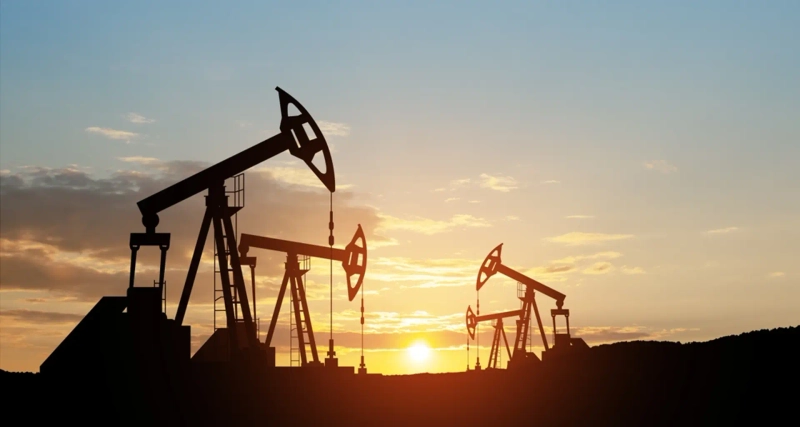
International oil prices held near a one-month high after the US resumed its maritime blockade of Iran.
West Texas Intermediate traded near $80 a barrel on July 14, according to Bloomberg. WTI has jumped about 11% in the first two sessions of this week. Brent crude closed near $85 a barrel a day earlier.
The US reinstated the blockade at 4 p.m. Eastern time on July 14. An hour before it took effect, Washington also launched additional airstrikes aimed at weakening Iran's ability to attack commercial vessels.
President Donald Trump, however, dropped a plan announced a day earlier to impose a 20% transit fee on cargo passing through the Strait of Hormuz.
In a social media post, Trump wrote that direct investment in the US from Gulf allies would replace the fee. He gave no details on the size of the investment or which countries would participate.
The reversal eased some pressure on the shipping industry. Fears of additional costs receded even as the US-Iran ceasefire has effectively ended and tensions around the Strait of Hormuz have escalated again.
Concerns over oil supply disruptions remain. Vessel traffic has effectively come to a halt in the Strait of Hormuz, a chokepoint that handles about 20% of global crude oil and liquefied natural gas shipments.
"There are too many uncertainties, including whether this is a wartime situation and whether the US can control the Strait of Hormuz and guarantee passage for non-Iranian vessels," Scott Shelton, an energy specialist at TP ICAP, said. "For now, no ships are transiting the strait normally."
Maritime transport across the Middle East has shrunk sharply as attacks on tankers continue. Yemen's Iran-backed Houthi rebels also launched ballistic missiles and drones at Saudi Arabia. It marks the biggest military escalation since the two sides agreed to a ceasefire in 2022.

Suehyeon Lee
shlee@bloomingbit.ioI'm reporter Suehyeon Lee, your Web3 Moderator.