BOK’s Project Hangang Enters Phase 2, Live Deposit-Token Transactions May Start in September
Forecast Trend Report by Period


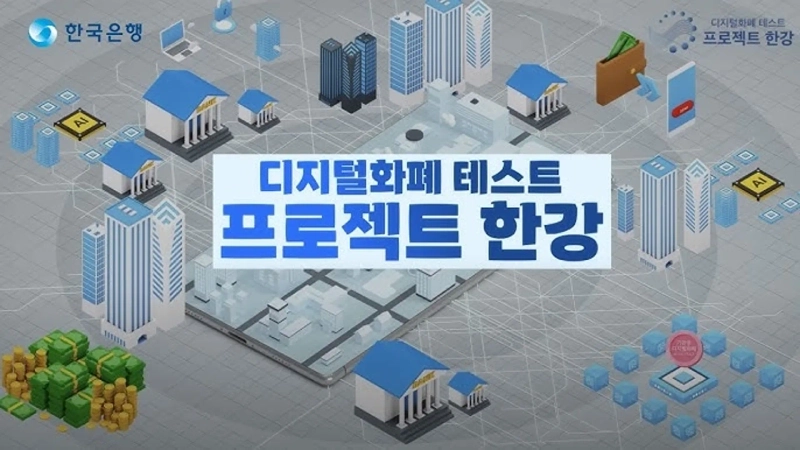
The Bank of Korea’s second phase of Project Hangang, its central bank digital currency pilot, may begin live deposit-token transactions as early as September.
The BOK and commercial banks are in the final stages of preparation for Phase 2 live transaction tests using deposit tokens, Yonhap News reported on July 20. If system development and participant recruitment are completed as scheduled, live transactions could start in September.
Project Hangang is a pilot program under which the BOK builds a blockchain-based wholesale CBDC infrastructure and commercial banks issue deposit tokens on that platform for use in real-world consumer payments and settlements.
In the first phase, which ran from April to June last year, 81,000 digital-wallet users participated. Transactions using deposit tokens totaled 114,880. While the first phase focused on checking the stability of the deposit-token payment system, the second phase will test its potential for commercial use.
The roster of participating banks is also expanding. The original seven lenders — KB Kookmin Bank, Shinhan Bank, Hana Bank, Woori Bank, NH NongHyup Bank, Industrial Bank of Korea and Busan Bank — will be joined by Kyongnam Bank and iM Bank, bringing the total to nine.
User features will also be expanded. The sign-up process will be simplified, and new functions including person-to-person transfers, biometric authentication, and automatic deposit-token deposits and withdrawals are set to be introduced. Merchant coverage will also widen beyond the representative merchants by industry secured by the BOK in the first phase to include businesses that participating banks have signed memorandums of understanding with directly.
The second-phase live transaction test is set to continue without a separate end date. The BOK will provide the infrastructure through a wholesale CBDC, while each bank will pursue its own business using deposit tokens, a central bank official said. Phase 2 will focus on laying the groundwork for commercialization, the official added.
Authorities are also pursuing a pilot to use deposit tokens for disbursing government subsidies. The first target is a subsidy program for electric-vehicle charging facilities run by the Ministry of Climate, Energy and Environment. Officials are reviewing a plan to pay part of the subsidy in deposit tokens instead of through standard bank transfers.
Document screening for applicants seeking to participate was completed in late June, and an operator will be selected soon after review by an evaluation committee. The selected operator will open a deposit-token wallet to receive the subsidy.
The BOK and the government expect blockchain-based deposit tokens to help prevent fraudulent subsidy claims because conditions such as where the funds can be used and when they expire can be set in advance. A separate pilot is also being prepared to pay public-sector business expenses with deposit tokens, and, following consultations with the Ministry of Economy and Finance, a trial ministry is expected to be selected within the year.
Separately, the Ministry of Economy and Finance said in its second-half economic growth strategy announced on July 15 that it will pursue a pilot next year for tokenized government bonds linked to the BOK’s wholesale CBDC.
The model would allow government bonds to circulate within the digital-currency blockchain system and be settled with wholesale CBDC, a BOK official said. Government bond tokenization is also closely tied to Project Hangang within a broader ecosystem, the official said.

Suehyeon Lee
shlee@bloomingbit.ioI'm reporter Suehyeon Lee, your Web3 Moderator.