PiCK
Fed Faces Hold-or-Hike Decision as Middle East Oil Surge Revives Case for Tightening
Summary
- Rising tensions in the Middle East and a spike in global oil prices have brought the possibility of a Fed rate hike back into focus.
- In the fed funds futures market, implied rate-hike odds for this FOMC meeting have risen again after the Middle East situation worsened.
- The key issue at this FOMC meeting will be not only whether the Fed opts for a rate hold, but also how much room it leaves for additional rate hikes ahead.
Forecast Trend Report by Period


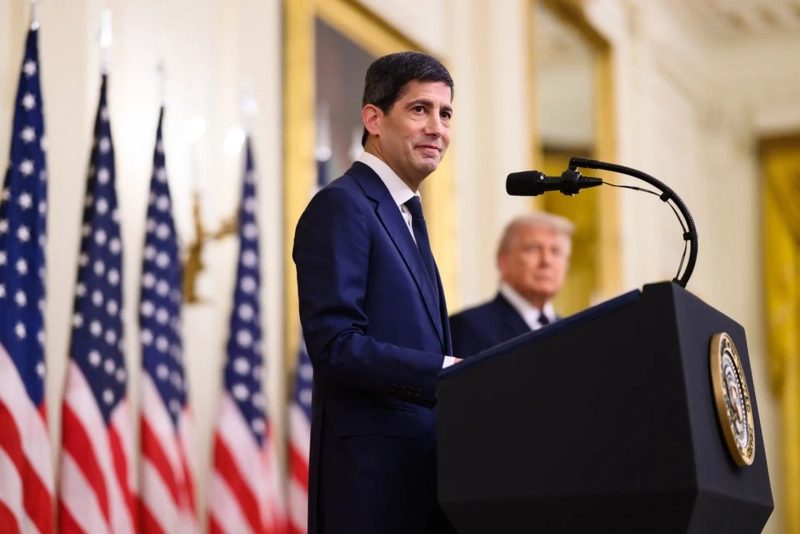
The Federal Reserve heads into this week’s rate decision with the possibility of another increase back in focus as rising tensions in the Middle East and a jump in oil prices cloud the inflation outlook.
Bloomberg reported on July 26 that the Fed will hold its July 28-29 Federal Open Market Committee meeting to decide interest rates. Softer-than-expected consumer prices last month had bolstered the case for a pause. That view has become less certain after escalating tensions between the US and Iran sent oil prices sharply higher and renewed concern about inflation reaccelerating.
Rising demand tied to increased investment in artificial intelligence and additional tariffs under the Trump administration are also seen as potential drivers of price pressure. If the Fed leaves rates unchanged, some market participants say several officials could dissent in favor of a hike.
Markets have already begun to reflect that possibility. In fed funds futures, the implied probability of a rate increase at this FOMC meeting briefly approached 40% last week and was still about 35% over the weekend. Those odds had fallen to around 10% after the June US consumer price index, released on July 14, posted its first month-on-month decline in six years. They climbed again after the Middle East situation worsened.
Fed officials have also signaled continued vigilance on inflation and the possible need for further tightening. Dallas Fed President Lorie Logan recently said inflation is not moving steadily enough toward the Fed’s 2% target and that a modest additional rate increase may be needed.
Cleveland Fed President Beth Hammack has also identified inflation, rather than employment, as the bigger risk at this point. Both Logan and Hammack have voting rights at this FOMC meeting, raising the possibility that they could dissent if the Fed holds rates steady.
Minutes from last month’s FOMC meeting showed that some officials also raised the need for a rate increase. According to the minutes, a majority discussed a scenario in which inflation remains elevated because of stronger AI-driven demand, the Middle East conflict and tariffs. In that case, they agreed a rate increase could be necessary.
Since then, the Trump administration has announced plans to impose additional tariffs on major trading partners including Canada. At the same time, a ceasefire between the US and Iran has broken down, turning some of those earlier inflation concerns into reality.
Still, the Fed could leave rates unchanged at this meeting and wait for more evidence on inflation. Veronica Clark, an economist at Citigroup, said cooling June prices give the Fed room to avoid moving immediately. If higher energy costs feed only modestly into consumer prices and the unemployment rate rises, the central bank could continue to hold or even consider rate cuts, she said.
Fed Vice Chair Philip Jefferson recently said it may be appropriate to reconsider the current monetary policy stance if inflation does not begin to slow soon.
Attention is now focused on Fed Chair Kevin Warsh’s next move. Warsh recently reaffirmed to Congress that the Fed would use its policy tools to secure price stability, but he did not spell out a specific path for rates.
The key issue at this FOMC meeting will be not only the rate decision itself, but also how much room policymakers leave for additional hikes ahead. “The key question over the next several meetings is where centrist FOMC members stand on whether a rate increase will be needed,” Matthew Luzzetti, chief US economist at Deutsche Bank, said.

Suehyeon Lee
shlee@bloomingbit.ioI'm reporter Suehyeon Lee, your Web3 Moderator.