Posco International, LG CNS Start Blockchain Pilot for Trade Receivables Tokenization
Summary
- Posco International and LG CNS have begun a blockchain-based pilot proof of concept to issue, transfer and settle trade receivables.
- Posco International said the project tested the applicability of AI and blockchain technology using real trade data and plans to expand it into live operations this year.
- The global tokenization market is currently worth about $35 billion, and Citigroup estimates it could grow to $5.5 trillion by 2030.
Forecast Trend Report by Period


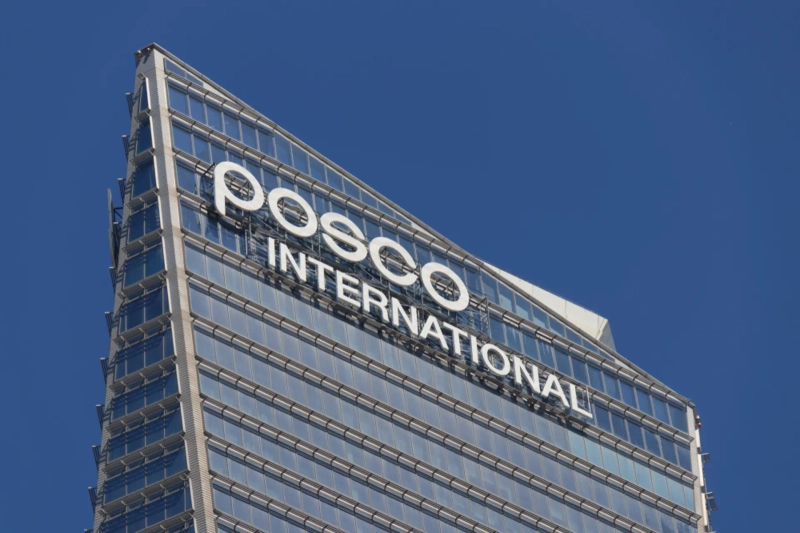
Posco International, South Korea’s largest general trading company, has launched a pilot project with LG CNS to put trade receivables on a blockchain.
CoinDesk reported on July 27 that Posco International and LG CNS had begun a proof-of-concept project to issue, transfer and settle receivables on Injective, a layer-1 blockchain whose token trades under the ticker INJ. The pilot uses receivables generated from actual trade between Posco International’s overseas subsidiaries and counterparties, rather than simulated transactions.
Posco International said the proof of concept is significant because it tested the applicability of AI and blockchain technology using real trade data and processes. The company, whose businesses span steel, energy and battery materials, posted $22.2 billion in revenue last year.
Trade receivables are claims companies hold after goods are shipped and before payment is collected. Buyers, sellers and banks now typically manage those claims separately, often leaving cash settlement to take several days. Putting receivables on a shared blockchain ledger would make it possible to transfer and settle them off a single record while embedding compliance rules into the asset itself.
LG CNS previously took part in a central bank digital currency pilot run by the Bank of Korea. It also operates tokenization platforms for Koscom and Mirae Asset Securities. Posco International plans to complete the pilot this year and expand it into live operations.
The project aligns with a broader push by South Korean companies to adopt blockchain. Hyundai Motor recently introduced stablecoins for internal fund transfers between its US and Mexican subsidiaries, while stablecoin issuer Circle is pursuing stablecoin payment infrastructure with Kakao Group and Toss Bank.
The global tokenization market has expanded rapidly in recent years and is now worth about $35 billion. Citigroup estimates it could grow to $5.5 trillion by 2030.

Suehyeon Lee
shlee@bloomingbit.ioI'm reporter Suehyeon Lee, your Web3 Moderator.