Yen Risks Sliding Past 165 Per Dollar Before BOJ Meeting, Stirring Intervention Fears
Summary
- Markets expect the Bank of Japan to hold its benchmark rate steady, but the yen could weaken beyond 165 per dollar depending on Governor Ueda's remarks.
- The yen's weakness is being driven by higher crude prices, concerns over Japan's fiscal health, and the US-Japan interest-rate gap, while the odds of a rate hike in September or October are drawing close attention.
- A break above 165 yen per dollar is bringing possible foreign-exchange intervention back into focus, while the outcome of US and Japanese monetary policy is emerging as a key variable for the yen's direction.
Forecast Trend Report by Period


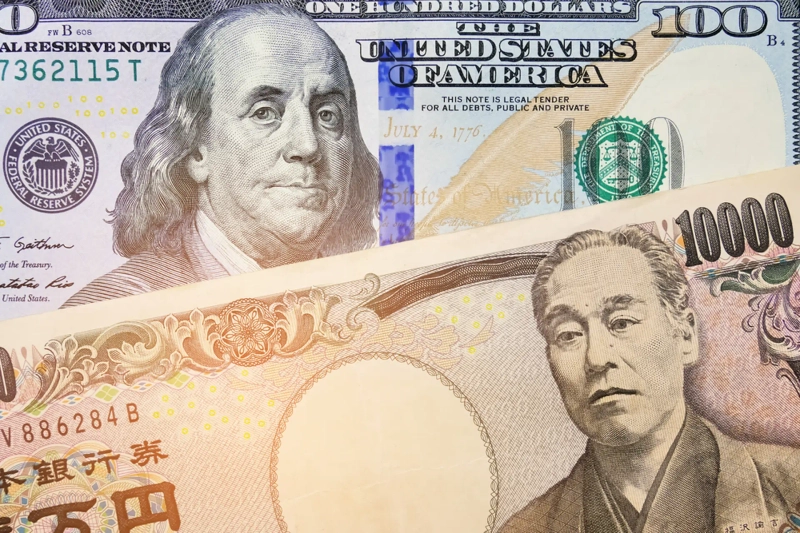
The yen has continued to weaken ahead of the Bank of Japan's policy meeting, with the currency at risk of sliding past 165 per dollar if Governor Kazuo Ueda fails to signal clearly that further rate hikes are coming.
Bloomberg reported on July 28 that markets expect the BOJ to leave its benchmark rate unchanged on Friday. Attention is centered on whether Ueda offers clues after the meeting on the timing of the next rate increase.
The yen fell in June to its weakest level against the dollar since 1986 and has remained under pressure this month. Higher crude prices, concerns about Japan's fiscal health and the interest-rate gap between the US and Japan have all weighed on the currency.
"If Governor Ueda is not hawkish enough, the yen will weaken further beyond 165 per dollar," said Mark Dowding, chief investment officer at RBC BlueBay. He expects Ueda to leave open the possibility of a rate hike at the September or October meeting, but not to deliver comments strong enough to trigger a sharp rebound in the yen.
Within the BOJ, the yen's weakness is also adding to discussion of moving faster on rate hikes because of the pressure it puts on prices. Even so, half of the economists surveyed by Bloomberg expect the central bank to delay another increase until December.
A stronger-than-expected hawkish signal from Ueda, including a clearer indication of when the next rate hike could come, would be needed to steady the yen's decline. Overnight index swaps currently price in about a 29% chance of a BOJ rate hike by September and about a 78% chance by October.
The prospect of currency intervention is also back in focus. Taketomo Shimizu, chief investment officer for bonds at Asset Management One, said the yen could easily break past 165 per dollar if Ueda's news conference is interpreted as dovish, potentially triggering intervention in the foreign-exchange market.
Japanese Finance Minister Satsuki Katayama warned last week that authorities could take bold steps in response to excessive volatility in the foreign-exchange market.
Before the BOJ meeting, the Federal Reserve is also due to hold a policy meeting. Interest-rate swaps show about a 32% chance of a rate increase at this Fed meeting, making the policy outcomes in the US and Japan key drivers of the yen's next move.

Suehyeon Lee
shlee@bloomingbit.ioI'm reporter Suehyeon Lee, your Web3 Moderator.