PiCK
South Korea to Start Crypto Tax Next Year as Planned, Finance Chief Says
Summary
- Koo Yun-cheol said taxation on virtual assets, including cryptocurrencies, will begin next year as scheduled without any additional delay.
- He said income from virtual assets in South Korea is classified as miscellaneous income, meaning loss carryforwards are not allowed, but the government may review changes after taxation begins if needed.
- Koo said South Korea uses a separate 20% tax on miscellaneous income and that applying a capital gains tax framework would require a broader review of the overall tax system for the capital market.
Forecast Trend Report by Period


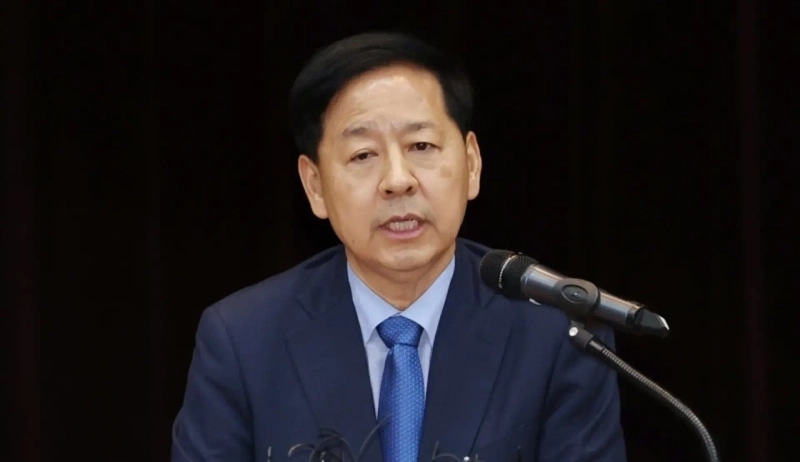
South Korea will implement taxation on virtual assets, including cryptocurrencies, next year as scheduled without another postponement, Deputy Prime Minister and Finance Minister Koo Yun-cheol said.
Koo made the remarks at a full meeting of the National Assembly’s Strategy and Finance Committee on July 29, according to News1. Responding to a question from People Power Party lawmaker Kim Sang-hoon on whether the government should further extend the grace period for crypto taxation, Koo said the government is currently moving ahead with plans to begin taxing the assets next year.
He said taxation on virtual assets is currently deferred through the end of this year and, under the existing schedule, will begin next year.
Kim argued that the current system is flawed because income from virtual assets is classified as miscellaneous income, which does not allow losses to be carried forward and deducted in future years. He said that if an investor records a loss of 10 million won ($7,200) this year and then earns a profit of 5 million won ($3,600) the following year, the investor would still be in an overall loss position but would still owe tax on the next year’s gain.
Kim added that major countries including the US, the UK and Australia treat virtual assets as capital gains and allow loss carryforwards, and said South Korea’s system also needs improvement.
Koo replied that stock investments also do not currently allow loss carryforwards. Because virtual-asset income is classified as miscellaneous income while certain deductions are allowed, the government can review the issue after taxation begins if changes are needed, he said.
Kim also said implementation should be delayed in light of the timing of tax infrastructure development. He noted that the Common Reporting Standard, the international framework for the automatic exchange of financial information, is scheduled to be applied to virtual assets starting in 2028 in 29 countries including Australia, and from 2029 in the US. He said the government should consider taxation only after the related system is fully operational.
Koo said South Korea’s tax regime differs from those in major economies. In the US, Japan and the UK, virtual assets are taxed under a capital gains tax system, but South Korea does not use that framework. Instead, it classifies the income as miscellaneous income and imposes a separate 20% tax while allowing deductions, he said.
He added that applying a capital gains tax framework to virtual assets would require a broader review of the tax system across the capital market as a whole, rather than addressing crypto alone.
Koo said the current plan is to defer taxation only through the end of this year. The government will proceed with implementation next year and supplement the system later if necessary, he added.

Suehyeon Lee
shlee@bloomingbit.ioI'm reporter Suehyeon Lee, your Web3 Moderator.