Oil Holds Above $84 After Trump Signals More Strikes on Iran, US Crude Stockpiles Slide
Summary
- International oil prices are holding around $84 a barrel as President Donald Trump signaled additional strikes on Iran and US crude inventories declined.
- The US and Iran have failed to find common ground over control of the Strait of Hormuz, raising the prospect of a prolonged war, lower oil shipments, and worsening supply conditions in the global energy market.
- US Strategic Petroleum Reserve (SPR) holdings fell for an 18th straight week to the lowest level since 1983, while expanding armed conflict in the Middle East and Houthi blockade threats are increasing uncertainty around oil transportation.
Forecast Trend Report by Period


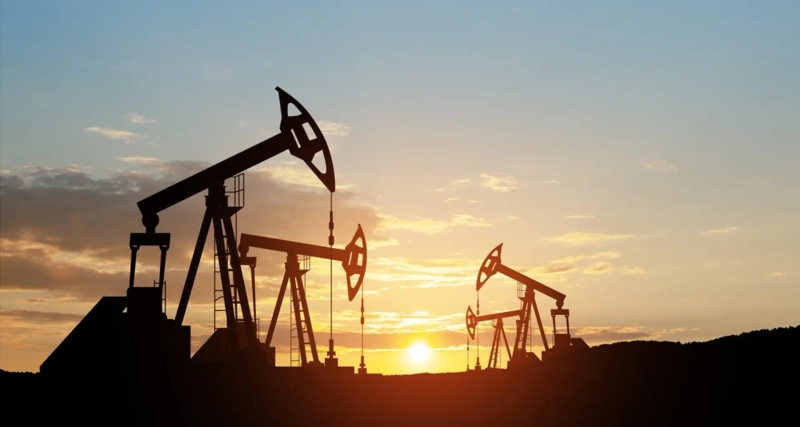
Oil held above $84 a barrel after surging nearly 7% in the previous session, supported by President Donald Trump’s warning of additional strikes on Iran and a drop in US crude inventories.
West Texas Intermediate traded above $84 a barrel on July 29 after jumping about 7% a day earlier, Bloomberg reported. Brent settled around $91 a barrel in the previous session.
Tensions in the Middle East escalated again after Trump signaled further military action against Iran. In an interview with Fox News, he said the US would hit Iran hard after an attack targeting American troops stationed in Jordan.
The conflict may also drag on as Washington and Tehran fail to narrow differences over control of the Strait of Hormuz. Current and former US, Iranian and European officials said the clash could continue for months because the two sides have not resolved their dispute over the waterway or agreed to a ceasefire.
Lower US crude inventories also supported prices. US commercial crude stockpiles posted their biggest decline since mid-June. The drop points to tightening conditions in the physical oil market as the conflict in the Middle East stretches on.
US Strategic Petroleum Reserve holdings also fell for an 18th straight week, dropping to the lowest level since 1983.
The fighting in the Middle East is spreading to neighboring countries. Iran-backed Houthi rebels have threatened a blockade of Saudi Arabia, while Saudi forces, alongside the US military, struck facilities in Iraq linked to pro-Iran militias.
Bart Melek, TD Securities’ head of global commodity strategy, said the market had moved too quickly to price in the prospect of renewed peace talks. Even under a potential agreement, Iran is still demanding control of the Strait of Hormuz. Lower oil shipments and worsening supply conditions in the global energy market are continuing, he added.
US Energy Secretary Chris Wright said about 13 million barrels a day of oil were shipped out of the Persian Gulf over the past week. About half moved through the Strait of Hormuz, while the rest was transported through bypass pipelines.
Saudi Arabia is redirecting some oil flows through its East-West pipeline to the Red Sea to avoid the Strait of Hormuz. But pressure from Houthi rebels is raising uncertainty over shipments along that alternative route as well.

Suehyeon Lee
shlee@bloomingbit.ioI'm reporter Suehyeon Lee, your Web3 Moderator.