Blockchain Association Tells Senate Leaders CLARITY Act Doesn’t Weaken AML Rules
Summary
- The US Blockchain Association said the National Sheriffs’ Association’s claim that the CLARITY Act would weaken anti-money laundering (AML) rules reflects a misunderstanding of the bill.
- The Blockchain Association said the CLARITY Act imposes strict obligations on intermediaries while clearly distinguishing financial intermediation from simple software development, including non-custodial developers, and directs the SEC to write related rules.
- The CLARITY Act faces a pivotal week in the Senate, and the group said it is important to correct misunderstandings about the bill with a Senate vote approaching.
Forecast Trend Report by Period


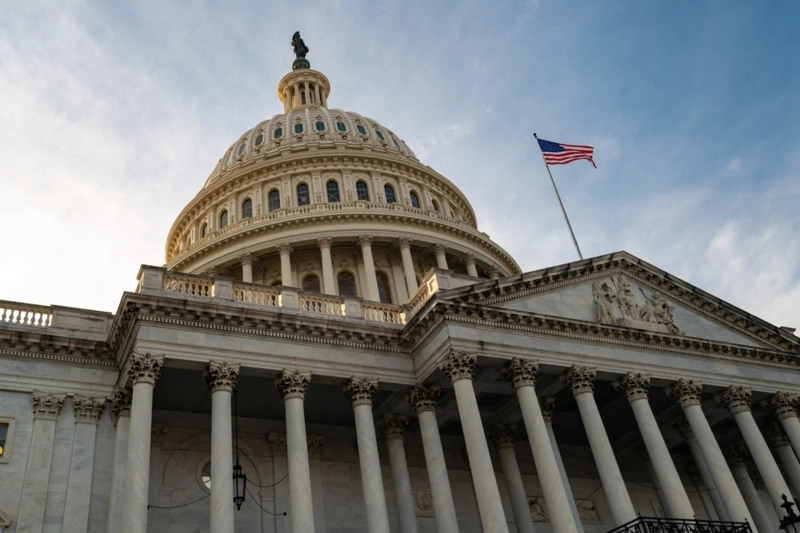
The Blockchain Association pushed back against claims that the CLARITY Act, a US crypto market-structure bill, would weaken anti-money laundering rules.
The group sent a letter to Senate Majority Leader John Thune and Senate Democratic Leader Chuck Schumer saying the National Sheriffs’ Association had misread the bill in arguing that it would undermine law enforcement’s ability to fight financial crime, The Block reported on August 3.
The National Sheriffs’ Association said last week that the CLARITY Act would exempt decentralized finance protocols too broadly from anti-money laundering, sanctions and know-your-customer requirements. It also called for deleting or revising the Blockchain Regulatory Certainty Act, or BRCA, provision that would not treat non-custodial developers as money services businesses, or MSBs.
In response, the Blockchain Association said the CLARITY Act imposes strict obligations on intermediaries while clearly distinguishing simple software developers from financial intermediaries.
It added that businesses claiming decentralization while effectively controlling a protocol would not be able to evade regulation. The bill also directs the US Securities and Exchange Commission to write related rules.
Lindsey Fraser, the Blockchain Association’s chief policy officer, said it was important to correct misunderstandings about the bill with a Senate vote approaching.
The group also pointed to a letter submitted last month by 160 former law enforcement and intelligence officials urging passage of the CLARITY Act. It argued that the National Sheriffs’ Association’s stance does not represent the broader law enforcement community.
The CLARITY Act faces a crucial week in the Senate. The chamber is set to begin recess this week, and the November election calendar will leave far less time to advance the bill afterward.
Democrats are seeking stronger ethics provisions tied to potential conflicts of interest involving President Donald Trump’s crypto businesses. A bipartisan amendment was sent to the White House last week, but no final agreement has been reached.

Suehyeon Lee
shlee@bloomingbit.ioI'm reporter Suehyeon Lee, your Web3 Moderator.